
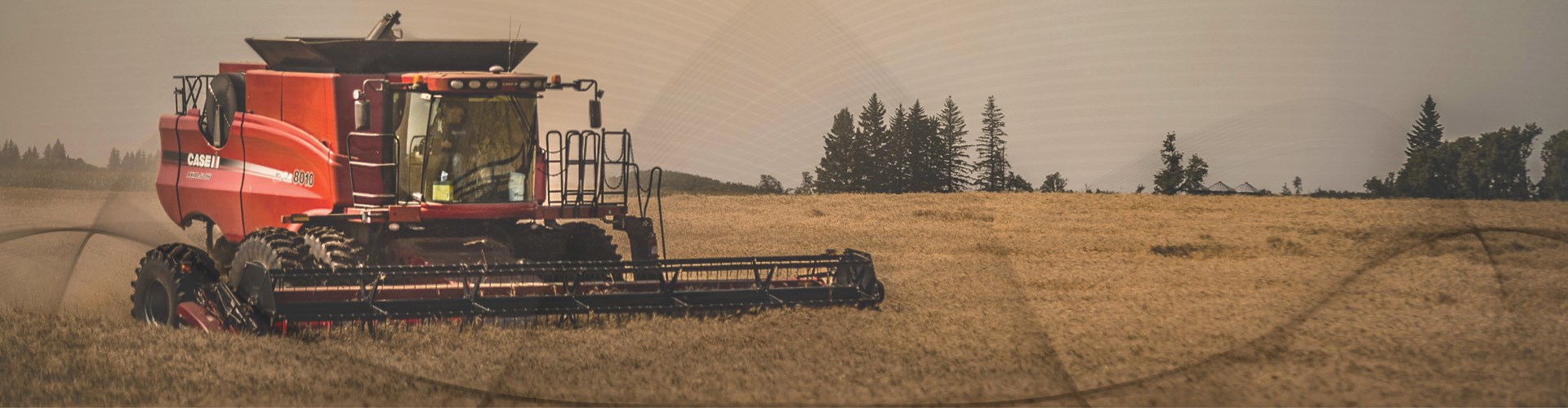
Agricultural Industry
Belts Used in Agriculture, Combines, and Threshers
Belts play a fundamental role in agricultural machinery by transmitting power, synchronizing moving parts, and enhancing equipment efficiency. Due to harsh environmental conditions (dust, humidity, impacts, sudden loads, and continuous operation), agricultural belts must possess high mechanical strength and durability. Selecting the right belts directly impacts machine performance, reduces downtime, and lowers repair costs.
Main Types of Belts Used
Harvester Belts(Special belts for power transmission to the harvesting header and collection auger) Features: High flexibility, Kevlar cord layers, resistance to severe twisting and bending. Common Codes: HA, HB, HC, HI, HM, HL series
Variator Belts(CVT Belts) The most critical belt in the hydrostatic system of combines; responsible for stepless speed variation of the machine's forward motion. Features: Wide, cogged, high torque and temperature tolerance. Failure or elongation can completely halt the combine's movement. Common Codes in Iran:
- John Deere: 2322V681, 2836V480, HXE11099
- New Holland and Claas: 3226V, 1440V, 1422V, 2836V
Classic V-BeltsUsed for power transmission to grain elevators, fans, cultivators, alternators, and other sections. Common Codes: A, B, C, SPZ, SPA, SPB series
Timing BeltsApplied in limited sections (such as hydraulic pumps or precise timing systems).
Advantages of Using High-Quality Belts in Agriculture
- Reduced unexpected downtime and repair costs
- Extended equipment lifespan
- Precise and smooth operation even in the toughest conditions
- Lower fuel consumption due to optimal power transmission
- Prevention of sudden belt failure during harvesting