Automotive Industry
Belts in the Automotive Industry
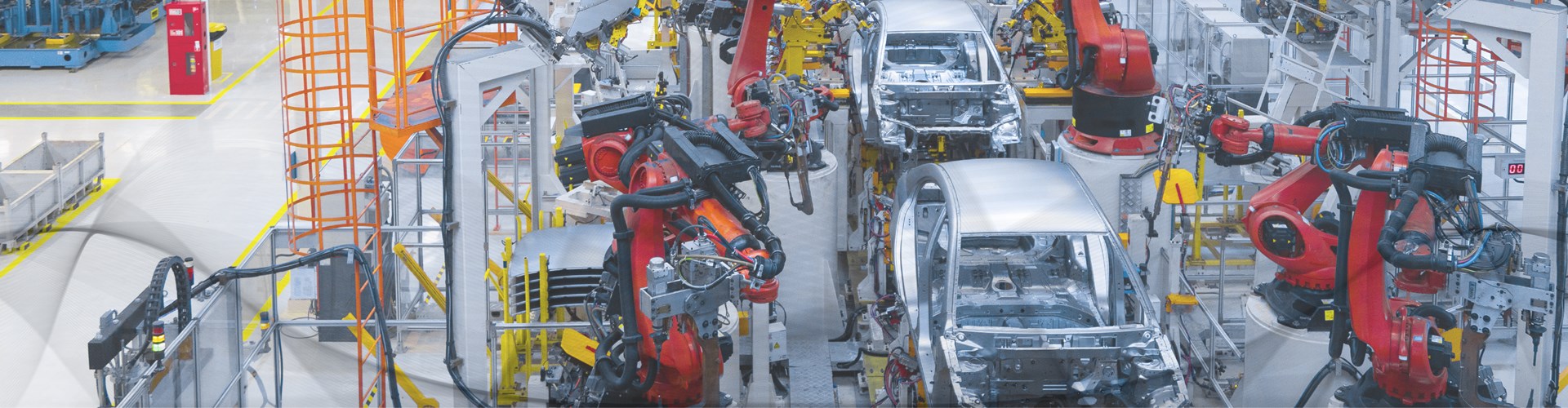
Industrial belts play a vital role in the automotive industry, contributing to production processes, assembly, and machinery performance. This sector, which includes vehicle part manufacturing, body assembly, painting, and transfer lines, requires belts with high precision, abrasion resistance, pressure tolerance, and durability in harsh environmental conditions. Appropriate belts ensure smooth operation, increase production line efficiency, and reduce maintenance costs, thereby improving the quality and effectiveness of automotive manufacturing processes. Ravand Trans Apadana Company, as the primary supplier to automotive companies, meets this industry's needs by providing high-quality grades.
Commonly Used Belts in the Automotive Industry
Endless Rubber Timing Belts Applications:
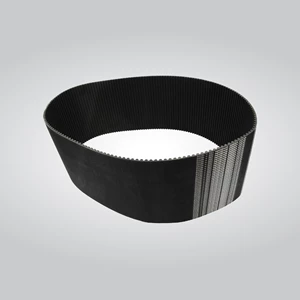
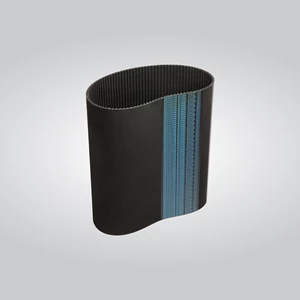
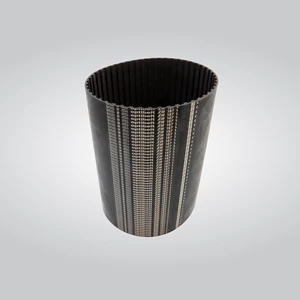
Endless rubber timing belts are used in precise automotive industry machinery, such as assembly lines, cutting and forming equipment, and robotic systems. These belts are applied in processes for producing engine parts, gearboxes, and other vehicle components. High-quality 14M-grade belts, such as GOLD and TITANIUM from Megadyne (Italy), are used in brake lines. Importance: High precision, resistance to pressure and heat, long durability. Examples: Engine assembly lines, precision part production machines (e.g., crankshafts), and robotic systems in body welding lines.
Endless Polyurethane (PU) Timing Belts Applications:
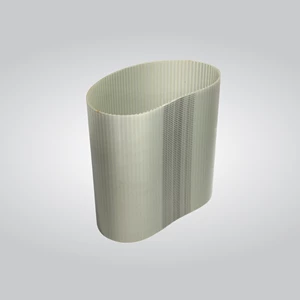
Endless PU timing belts are used in production processes requiring high precision and compliance with sanitary standards (such as painting lines or sensitive part assembly). These belts are applied in precise motion transfer systems and electronic component assembly lines. Importance: Precision and flexibility, chemical resistance, non-stick surface. Examples: Assembly lines for electronic vehicle parts (e.g., sensors), transfer equipment in painting lines, and precise robotic systems.
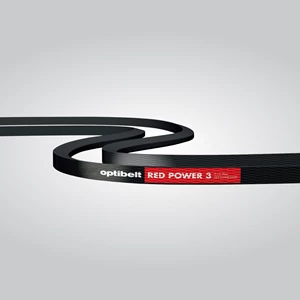
V-Belts Applications:
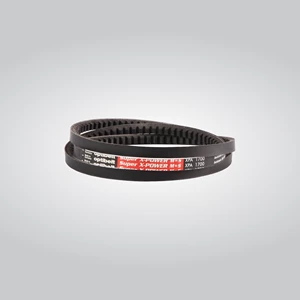
V-belts are used in the automotive industry for power transmission in heavy machinery and auxiliary equipment such as compressors, hydraulic pumps, cooling fans, and drive motors in production lines. They are also used in vehicle components like air conditioning and alternators. Importance: Strong power transmission, resistance to heavy loads, easy installation and maintenance. Examples: Power transmission in hydraulic pumps on assembly lines, cooling fans in painting ovens, and drive motors in body production lines.
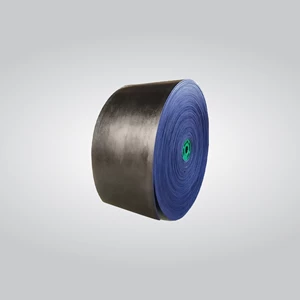
Rubber Conveyor Belts Applications:
Rubber conveyor belts are used in the automotive industry for transporting raw materials (such as metal sheets and plastic parts) and semi-finished or finished products (such as vehicle bodies and assembled parts) in production lines and warehouses. These belts are applied in heavy-duty assembly and handling lines. Importance: Heavy load capacity, abrasion resistance, flexibility in harsh environments. Examples: Transferring metal sheets in body pressing lines, moving assembled parts in production lines, and transporting finished products to warehouses.
Ribbed Belts Applications:
Ribbed belts are used in the automotive industry for power transmission in machinery requiring smooth and vibration-free motion, such as part transfer rollers or auxiliary systems in assembly lines. These belts are also used in produced vehicles for systems like power steering pumps and alternators. Importance: Smooth and uniform transfer, high flexibility, resistance to heat and abrasion. Examples: Part transfer rollers in assembly lines, auxiliary systems in painting lines, and power transmission in vehicle components like alternators.
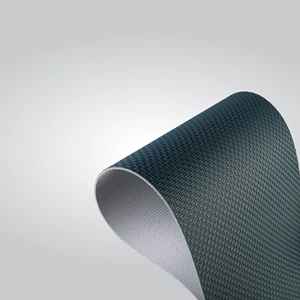
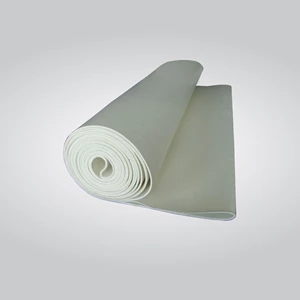
Polyvinyl Chloride (PVC) and Polyurethane (PU) Conveyor Belts Applications:
PVC and PU conveyor belts are used in automotive production and assembly lines for transporting lighter parts such as plastic, electronic, or decorative components. These belts are applied in sensitive processes like painting lines and precise part assembly. Importance: Compliance with clean environments, chemical resistance, flexibility and lightness. Examples: Transferring plastic or electronic parts in assembly lines, moving parts in painting lines, and packaging processes for vehicle components.