
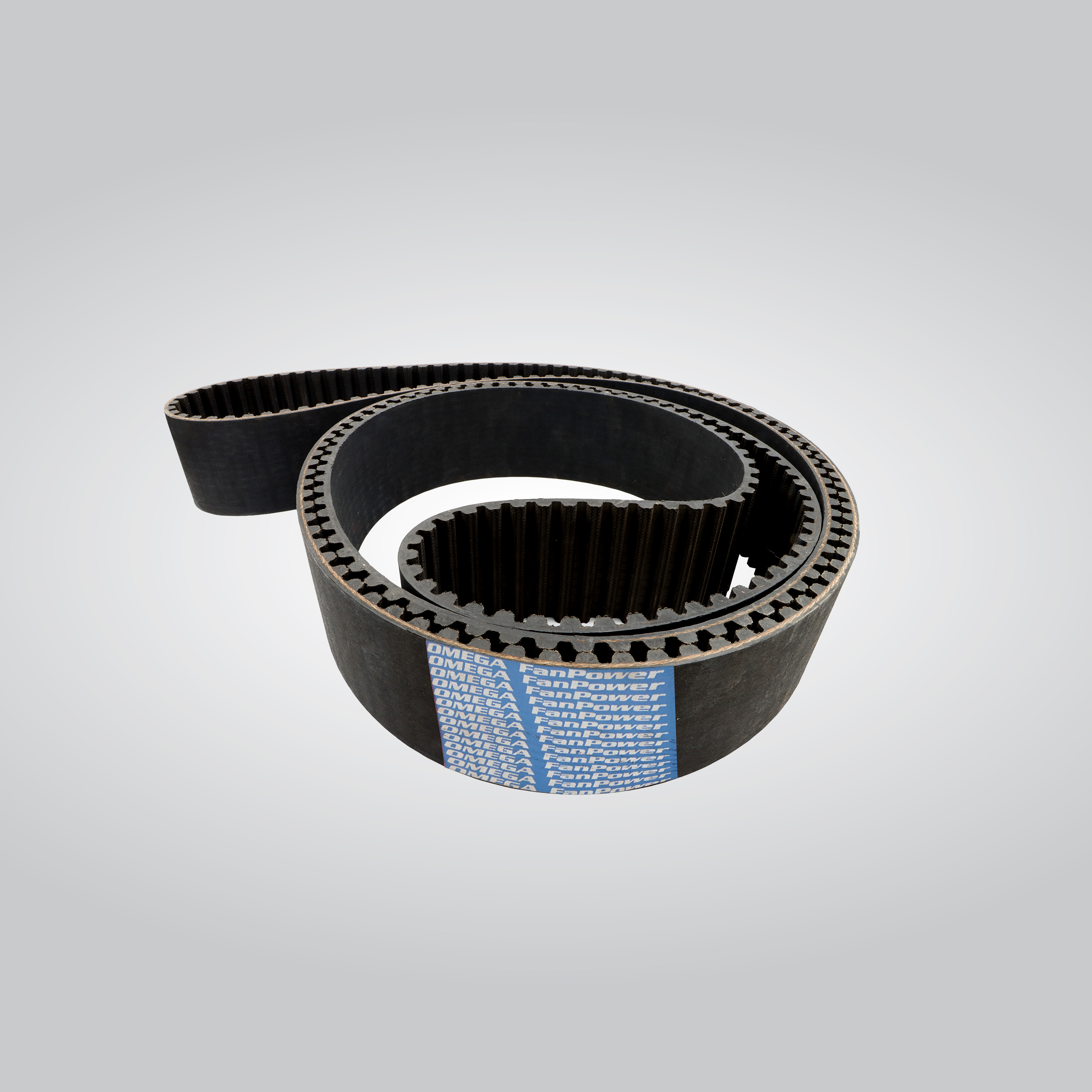
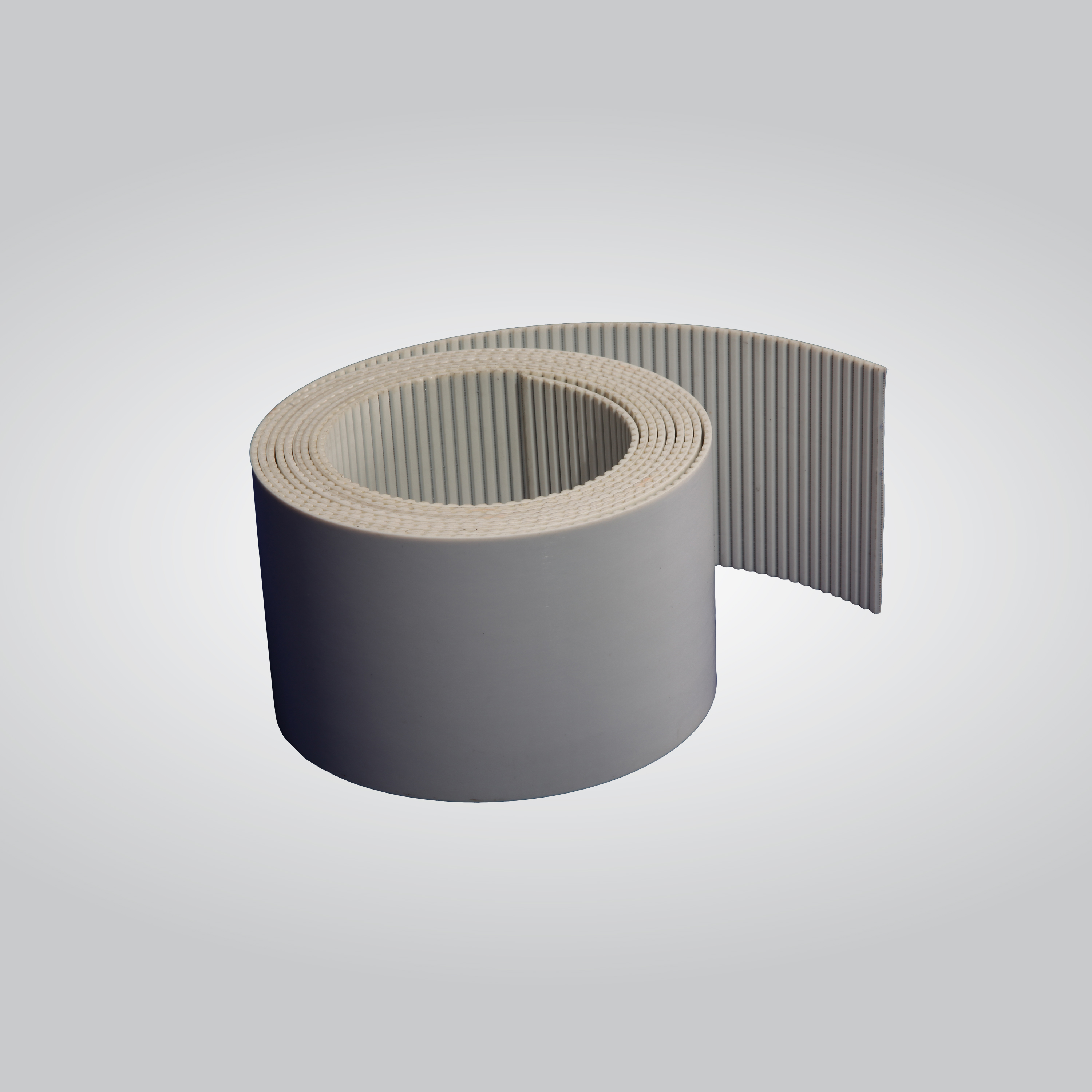
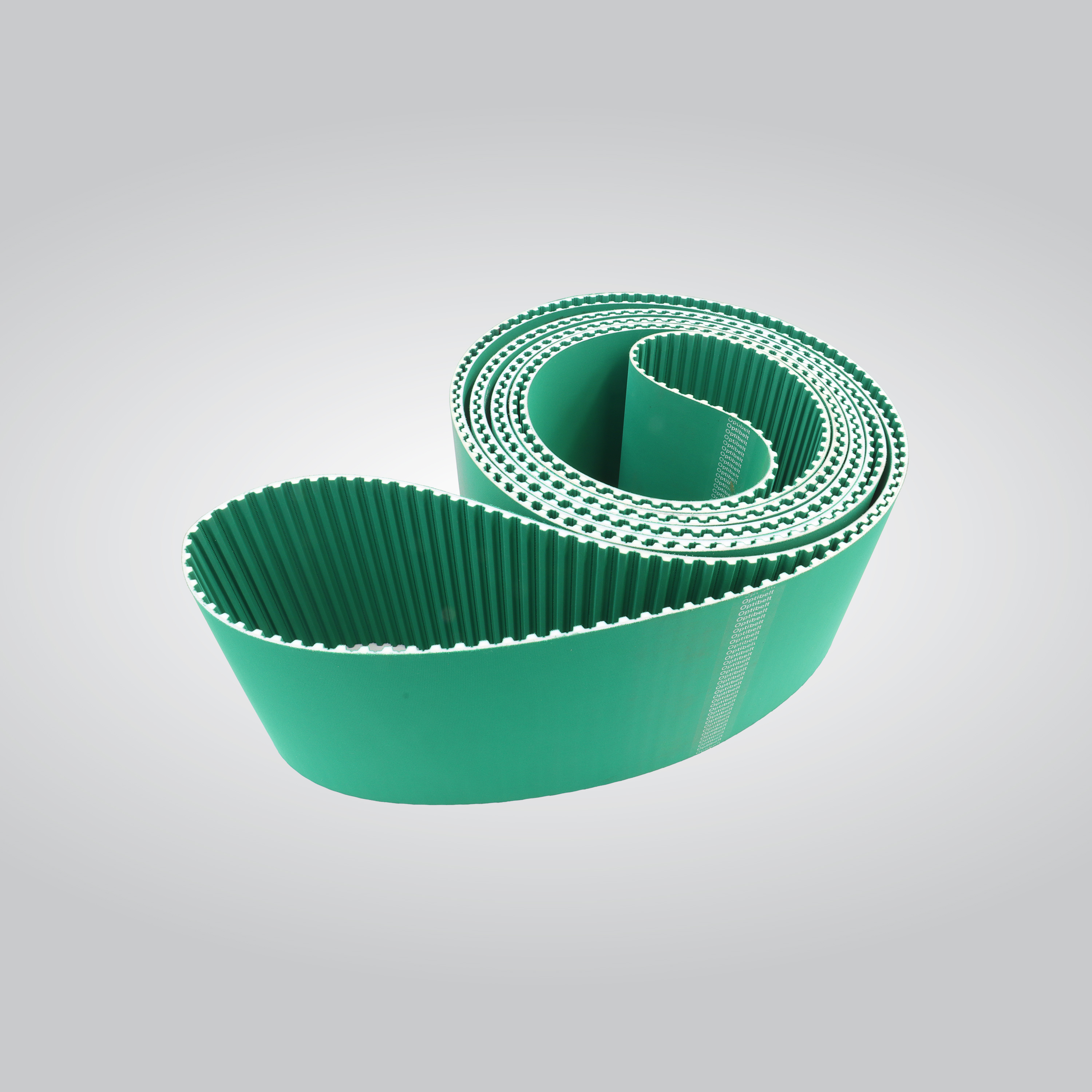

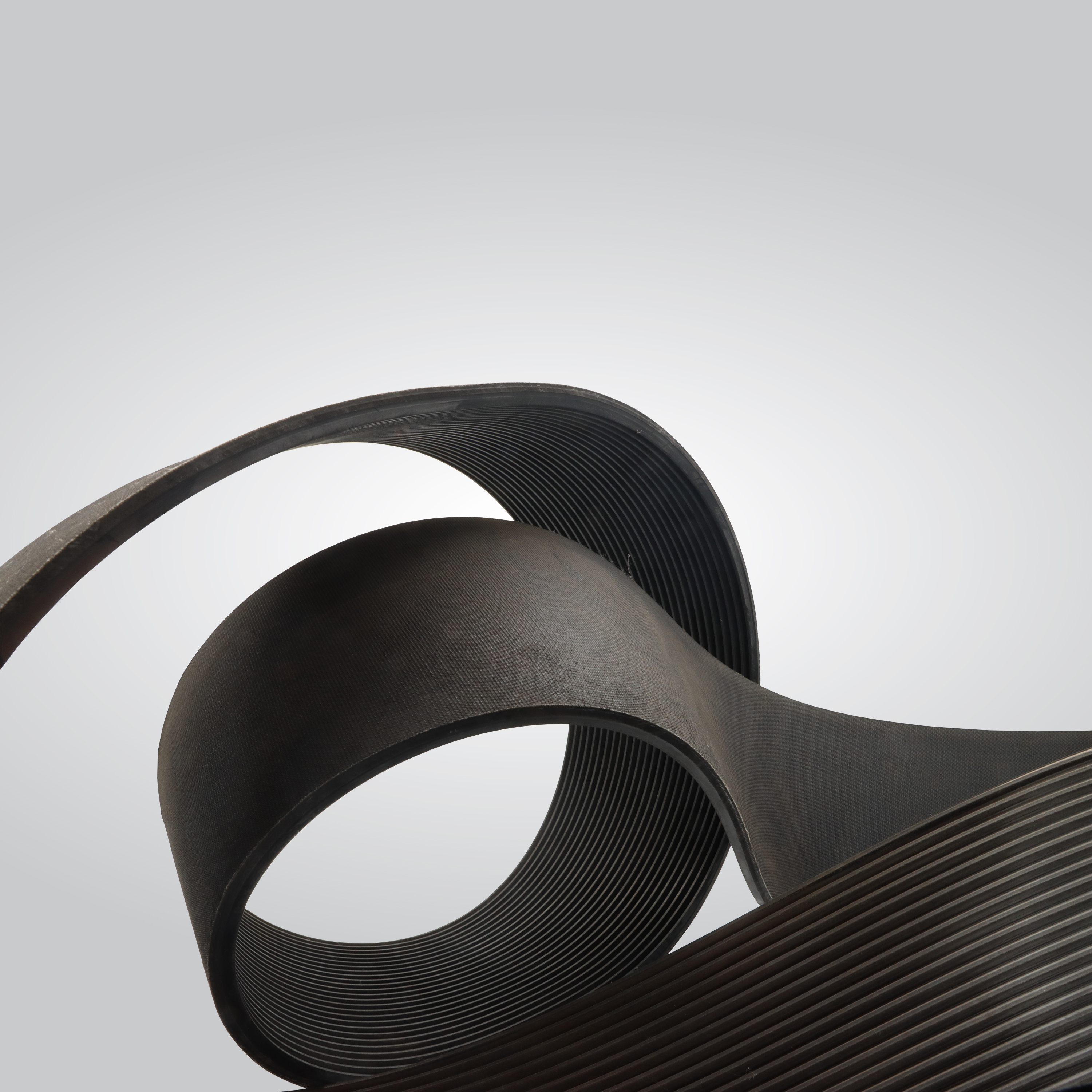
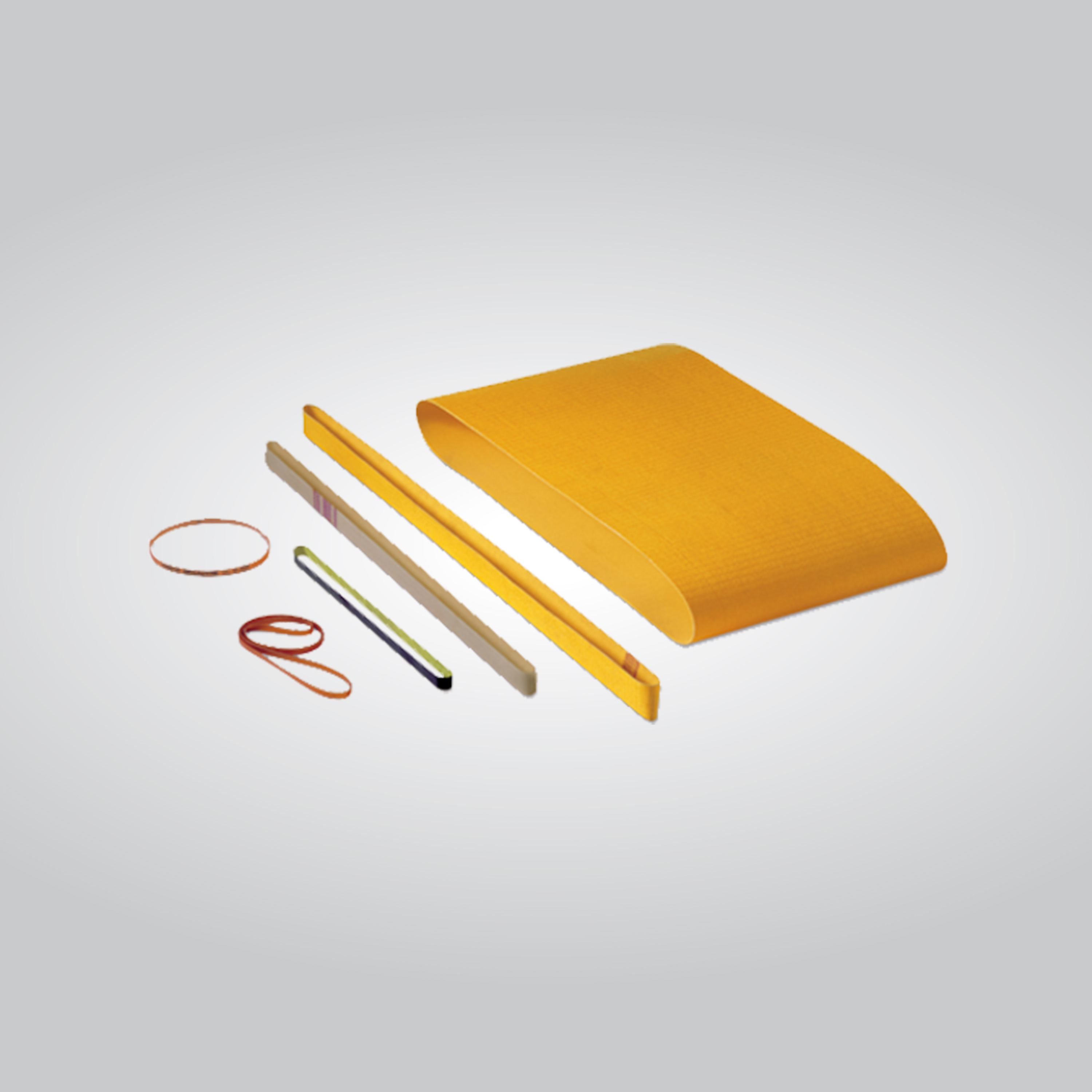
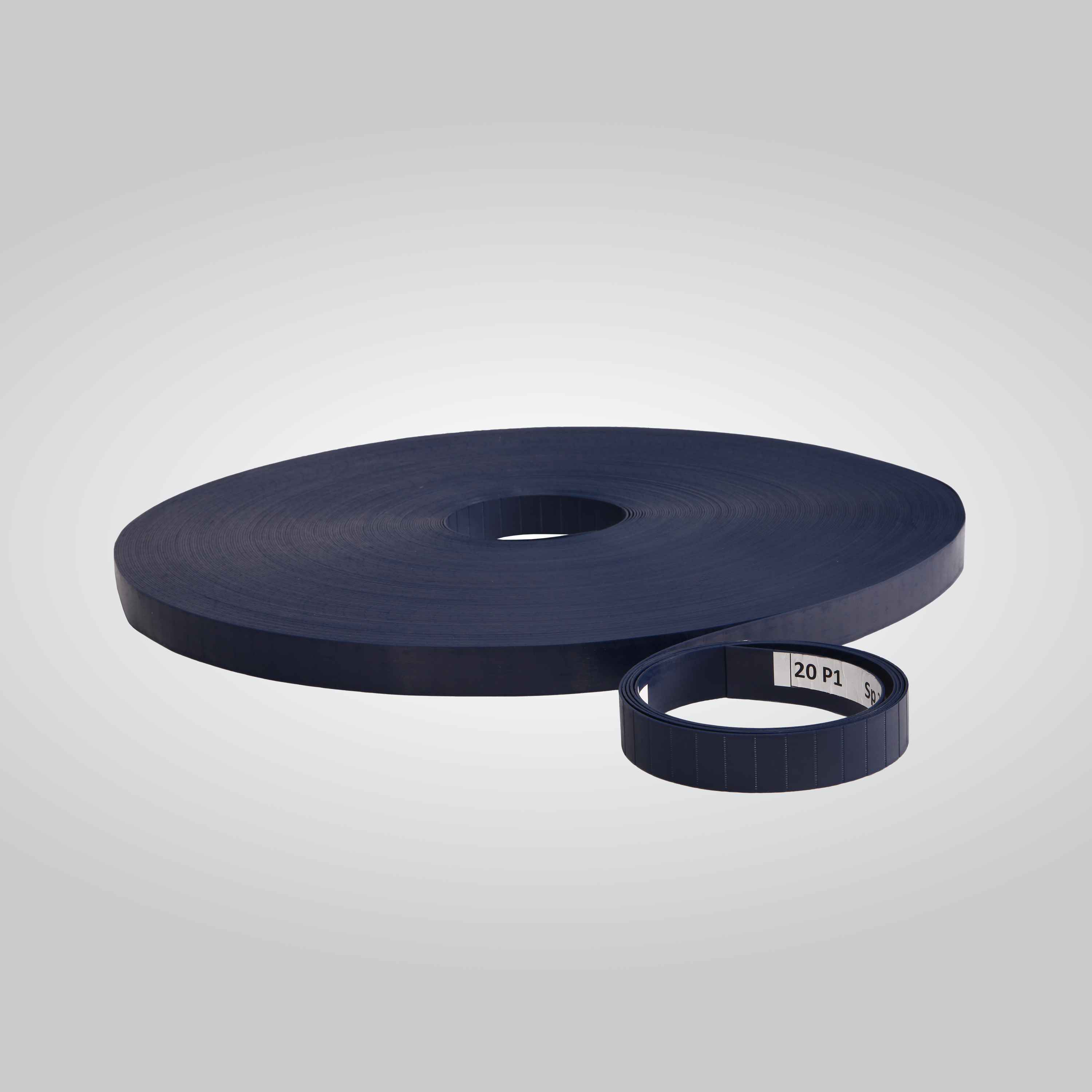
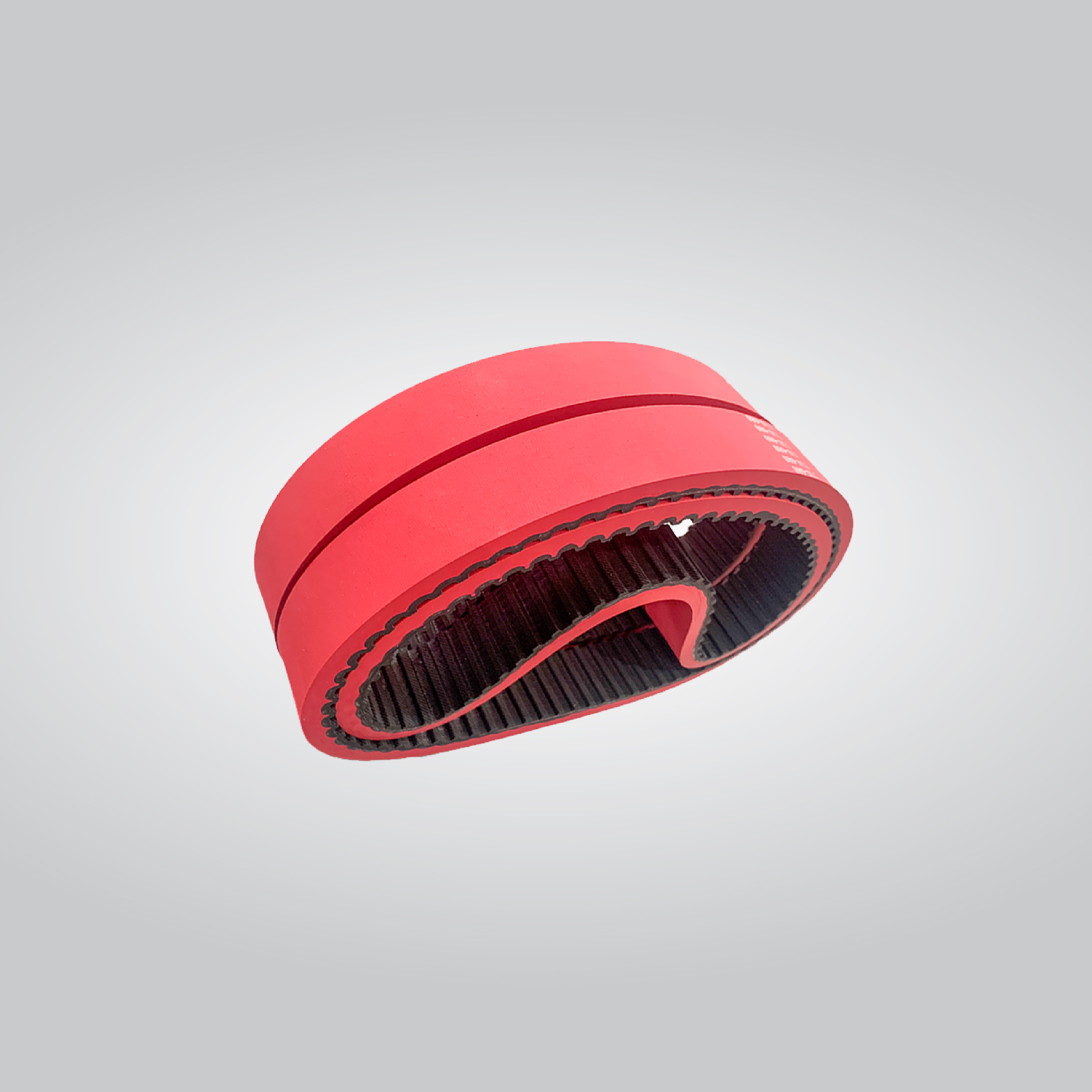
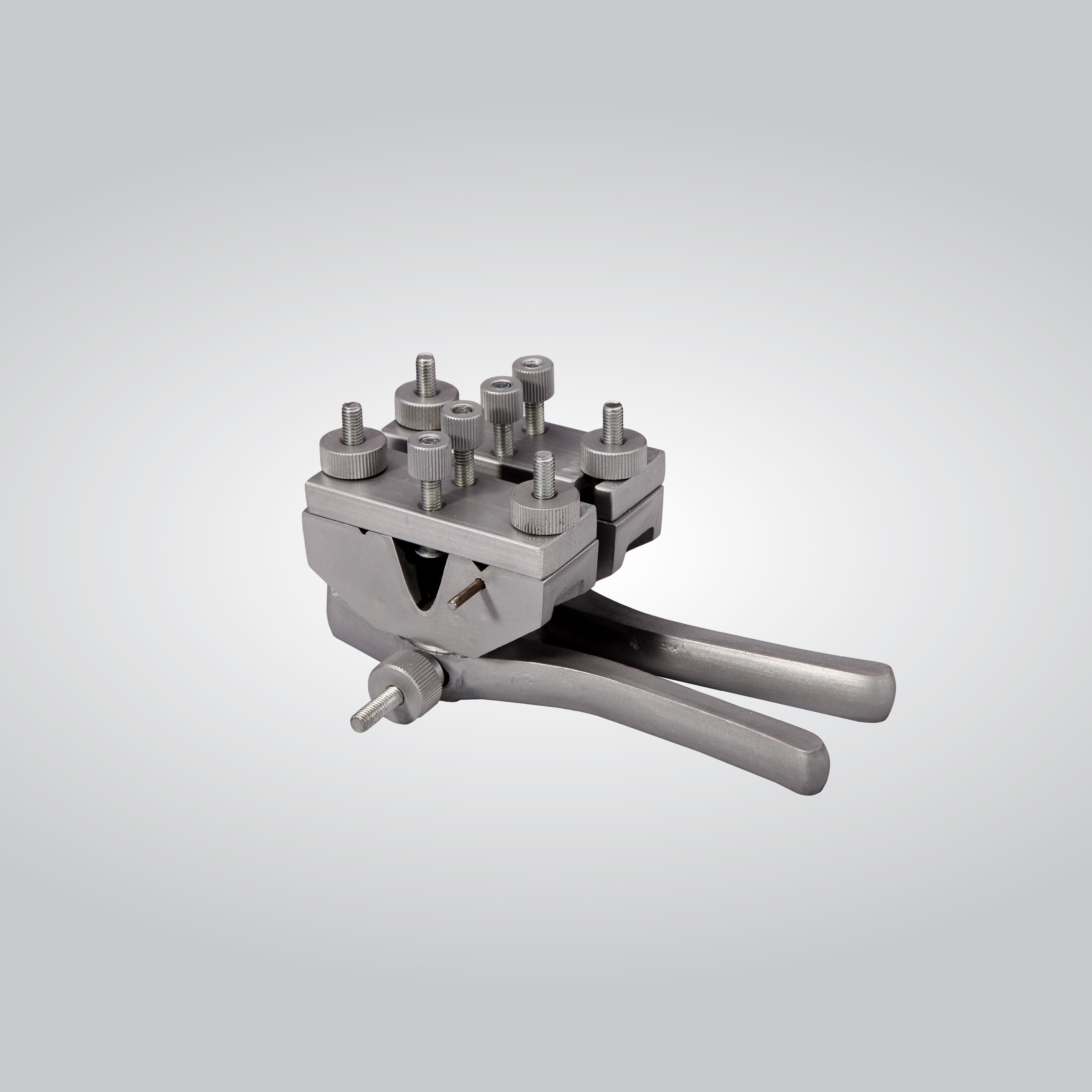
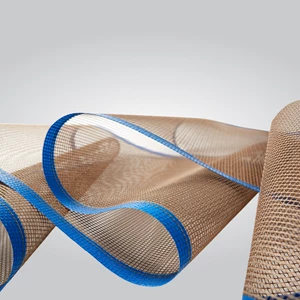
Conveyor Belts
In today's world, where speed, precision, and productivity are the three fundamental pillars of manufacturing and service industries, conveyor systems play a key role in optimizing material handling processes. At the heart of these systems lies the conveyor belt—a component that appears simple but is vital to performance. Conveyor belts are responsible for the continuous movement of materials in production lines, packaging, warehousing, and logistics. They are widely used across a broad range of industries, including mining, cement, steel, food and pharmaceuticals, textiles, packaging, agriculture, recycling, and airports.
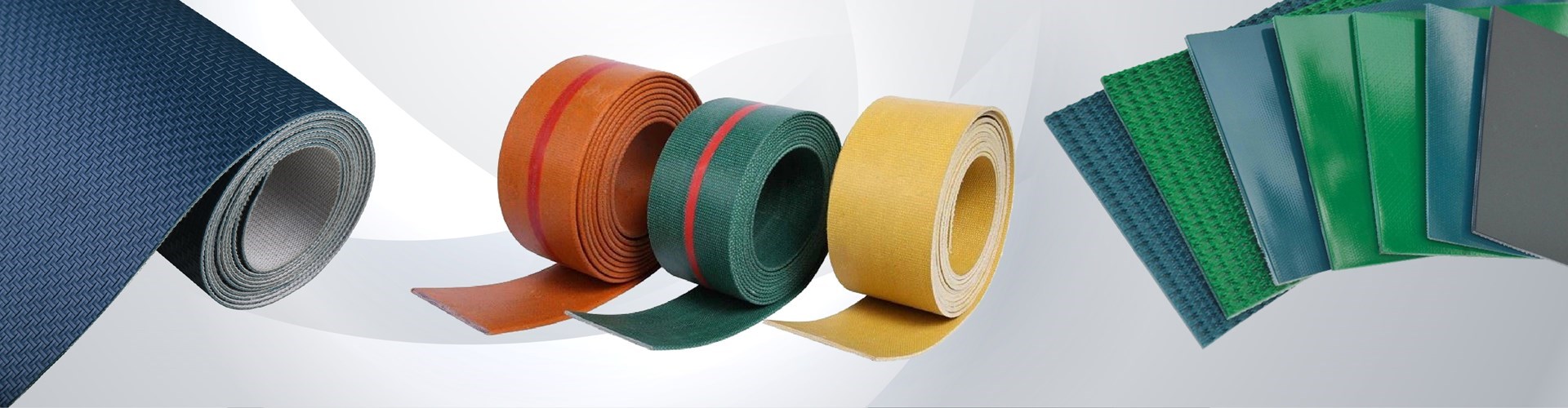
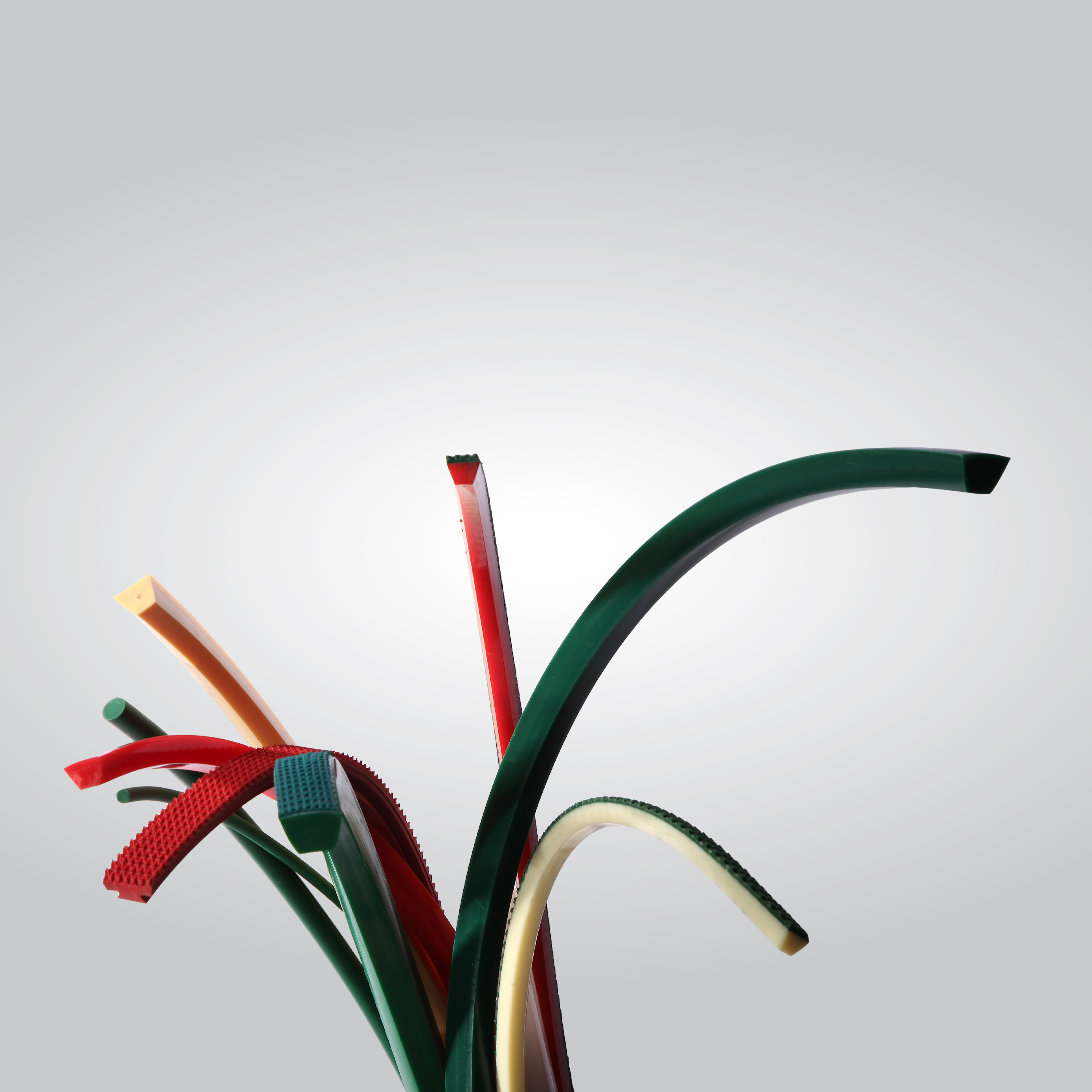
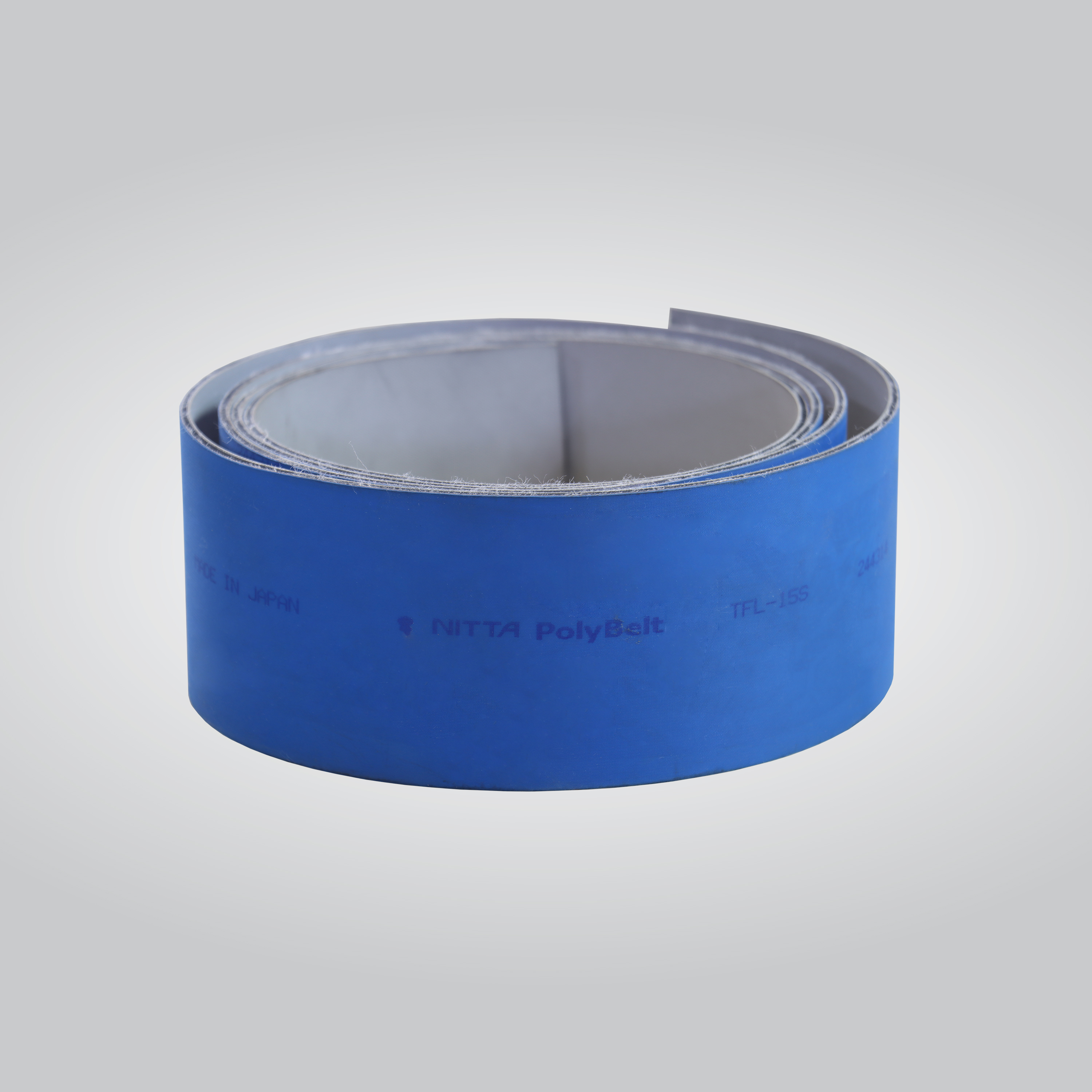
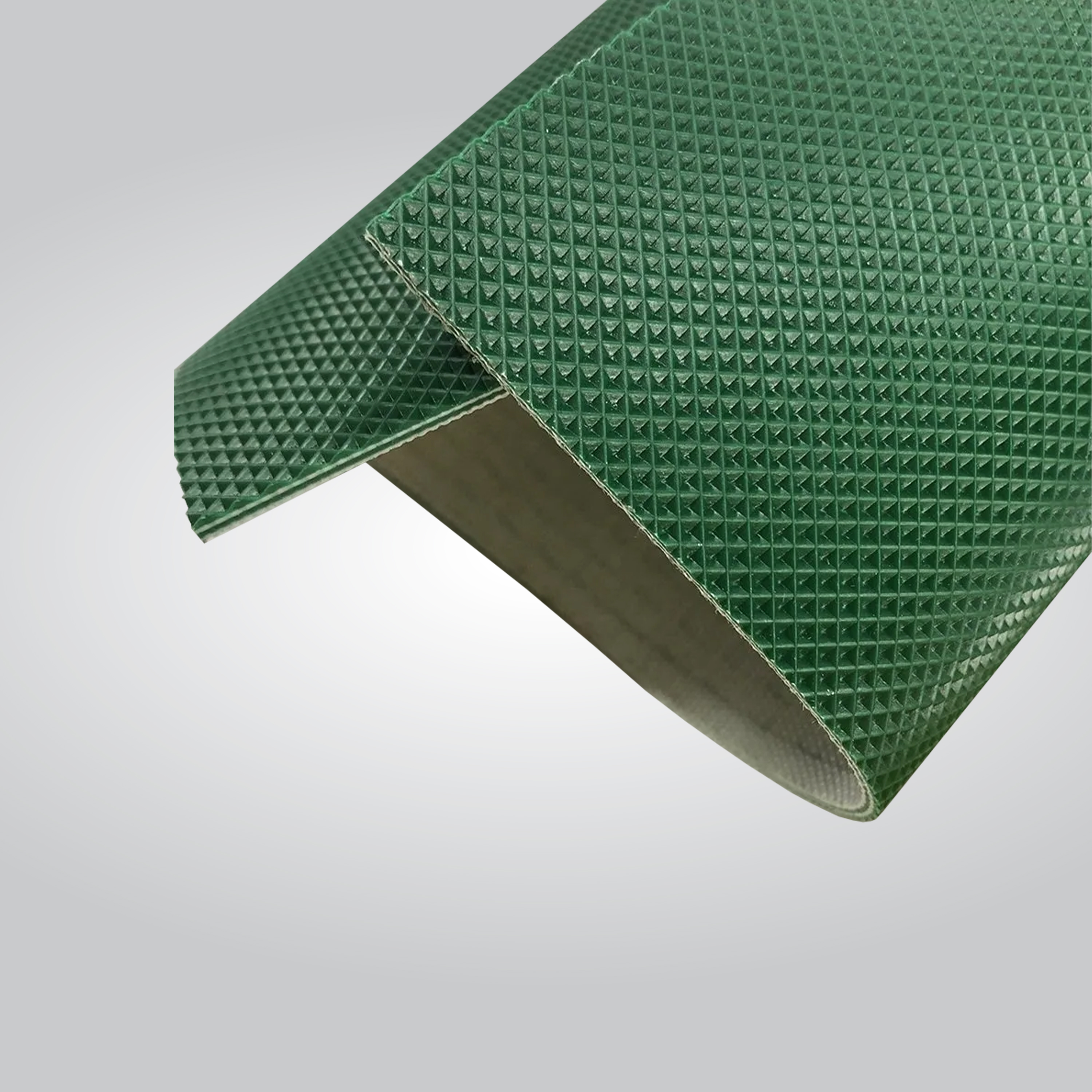
Depending on the needs of each industry, belts are designed with different materials and structures. For example:
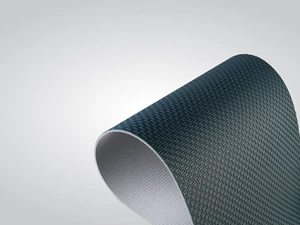
• PVC and PU Belts: Ideal for food and hygienic industries, offering easy cleaning and sanitary certifications.
• Rubber Belts: Abrasion- and heat-resistant for mining andplays heavy-duty applications.
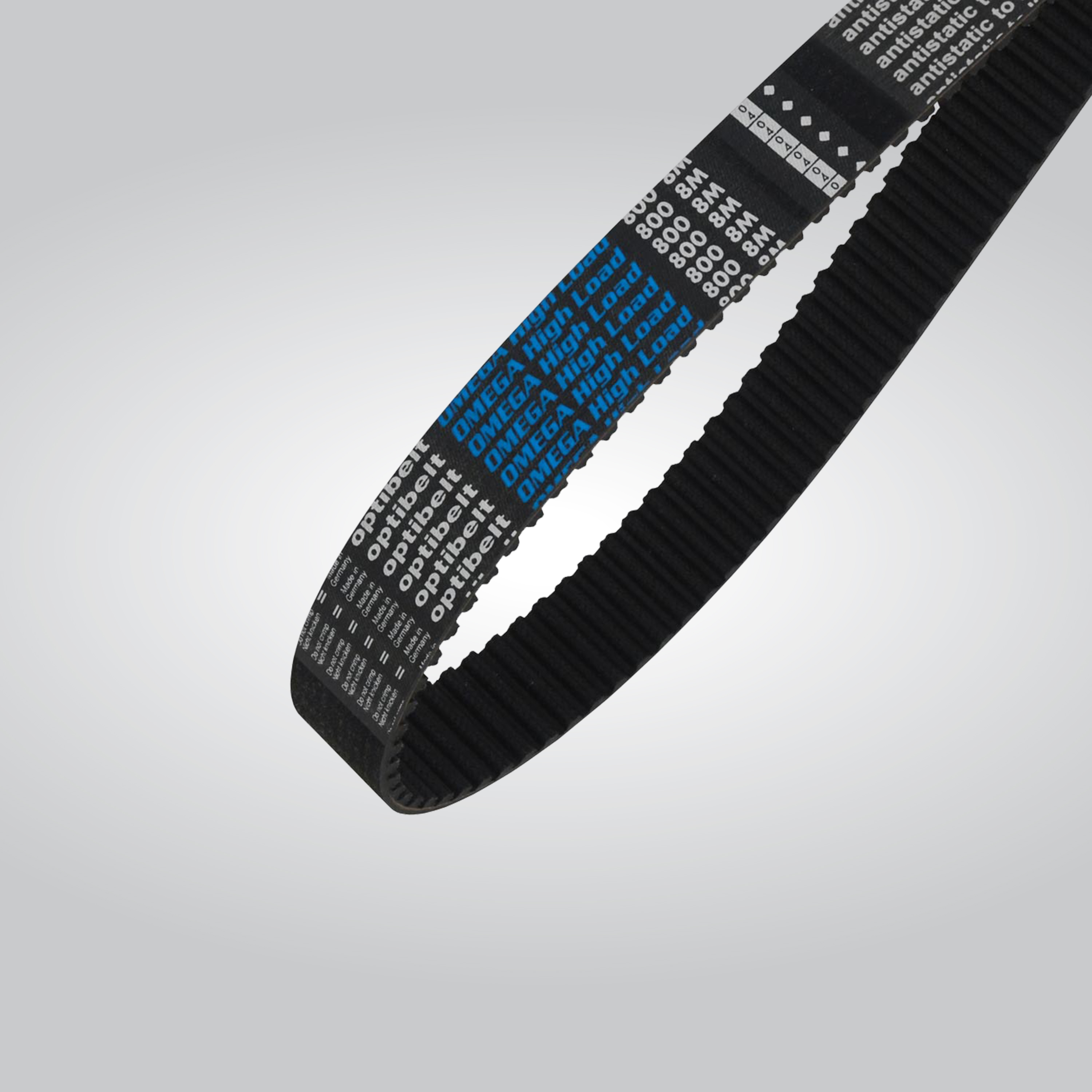
• Oil-, Acid-, Flame-, and Anti-Static Resistant Belts: Designed for specialized environments.
• Cleated or Sidewall Belts: For transporting materials on inclines.
Selecting the right conveyor belt—based on operating conditions, the type of material being handled, abrasion levels, ambient temperature, and equipment type—has a direct impact on system longevity and reduced maintenance costs. A suitable conveyor belt can significantly minimize production downtime, increase transfer speeds, enhance workplace safety, and extend equipment life.
In one sentence: A conveyor belt is not just a mechanical component; it is the beating heart of production lines and the backbone of material handling in modern industries.