
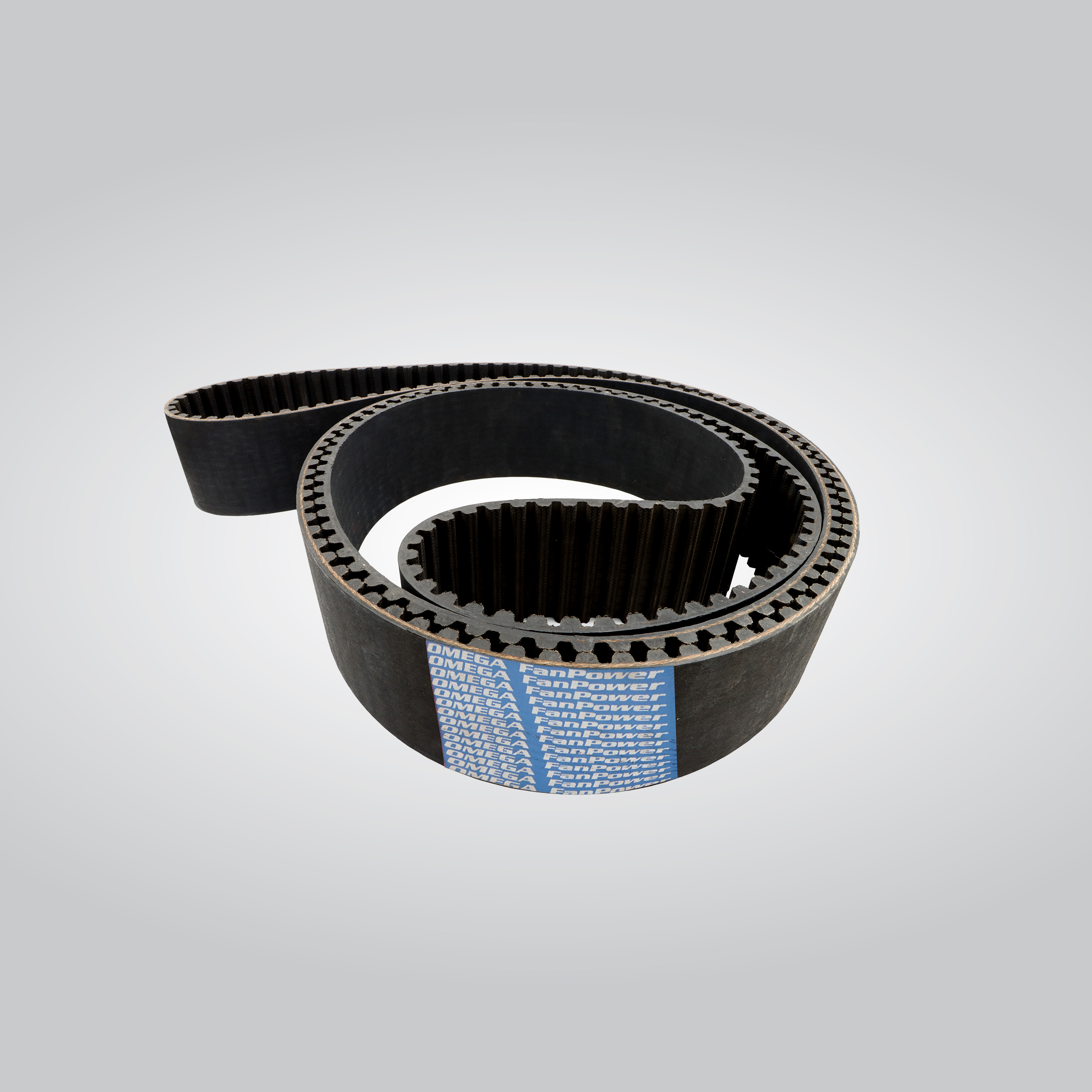
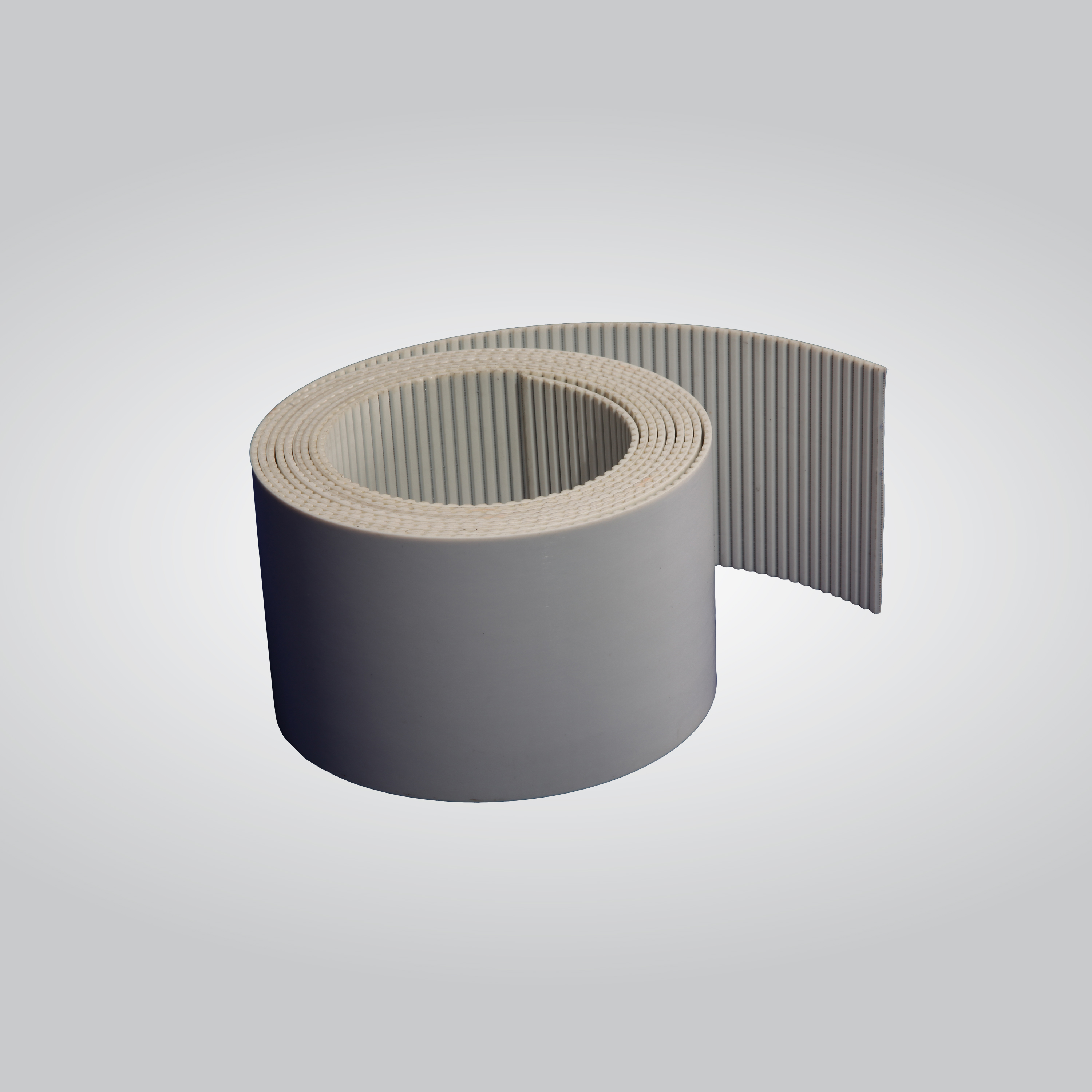
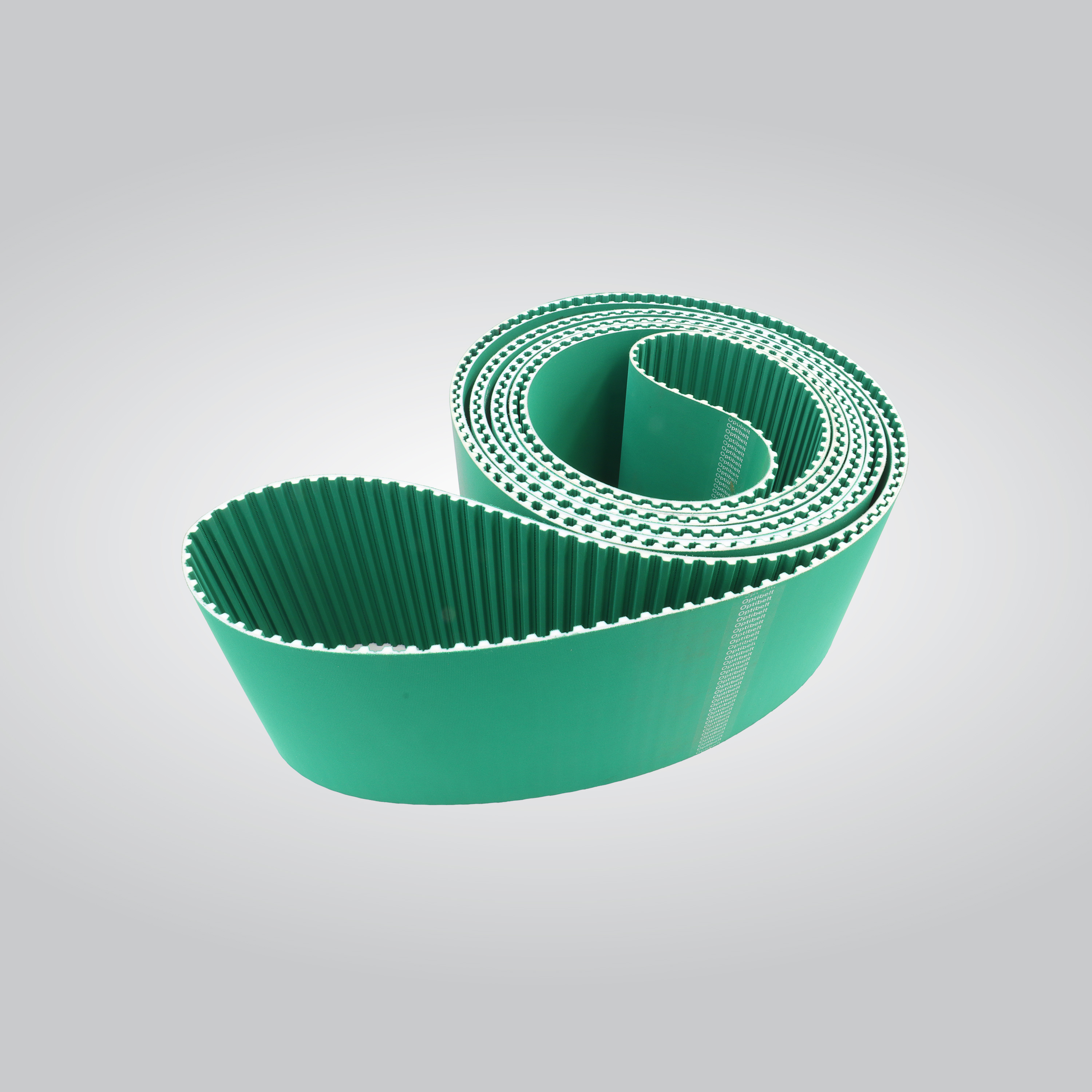

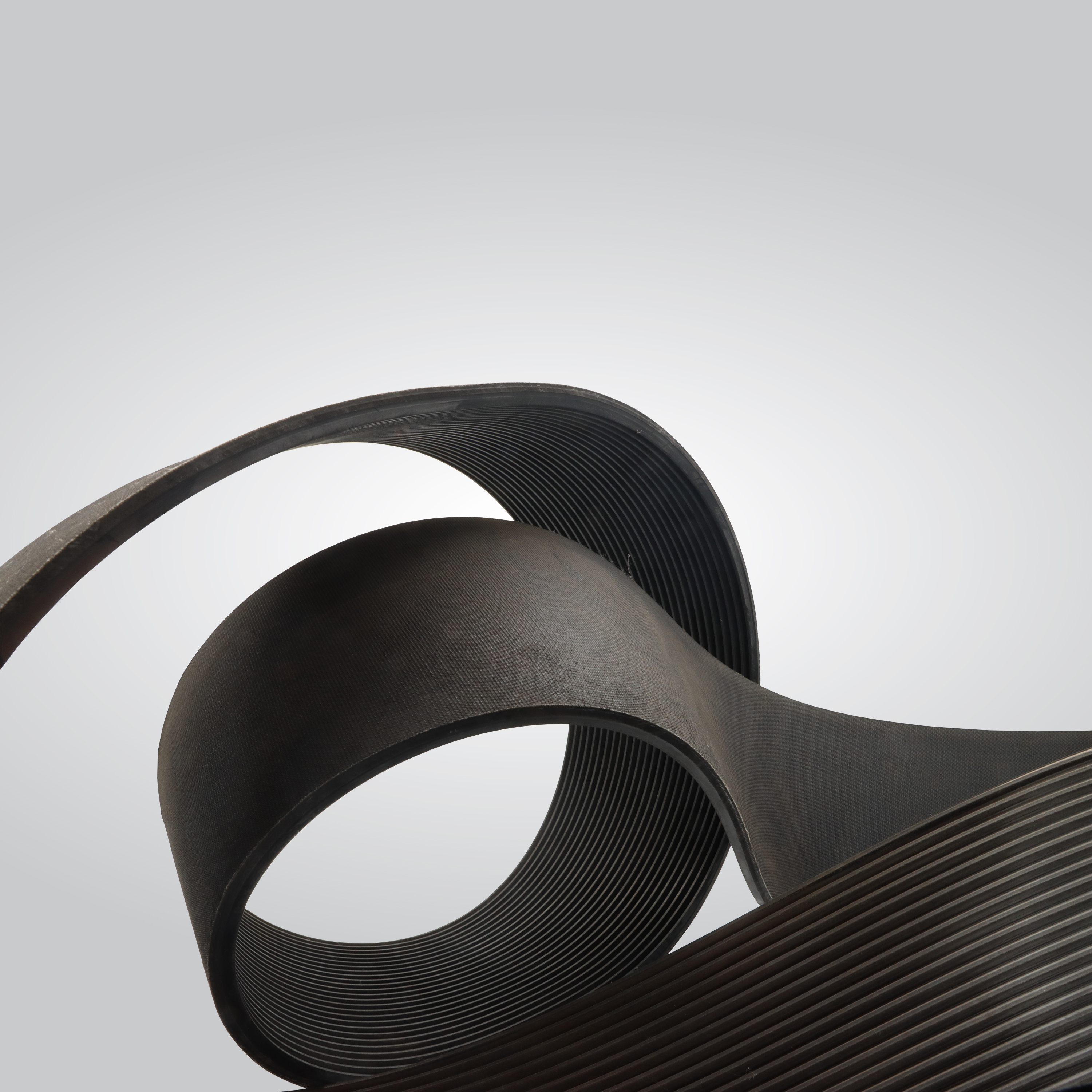

Flat Power Transmission Belts
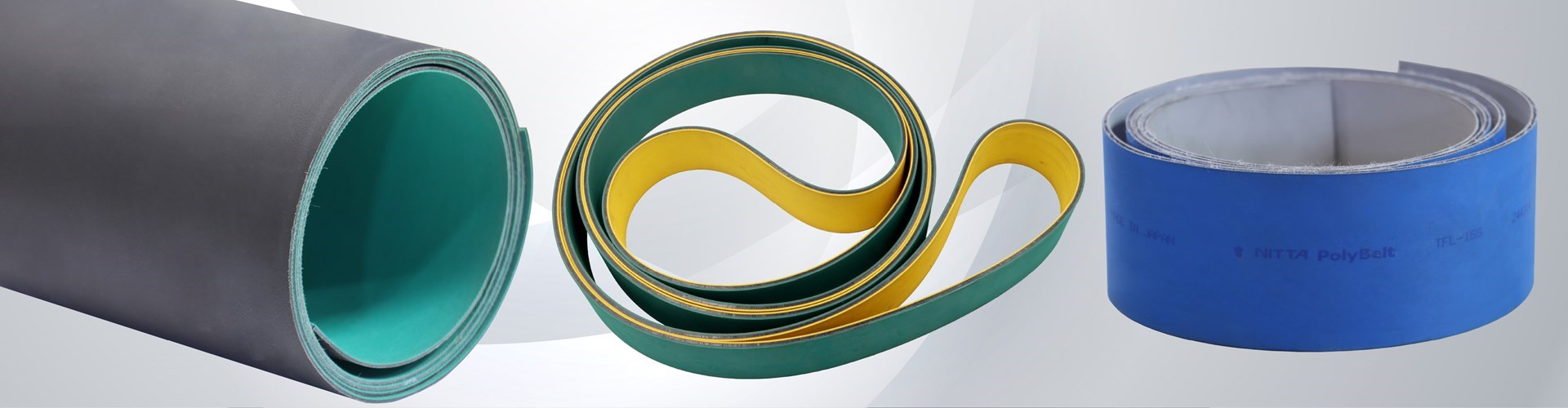
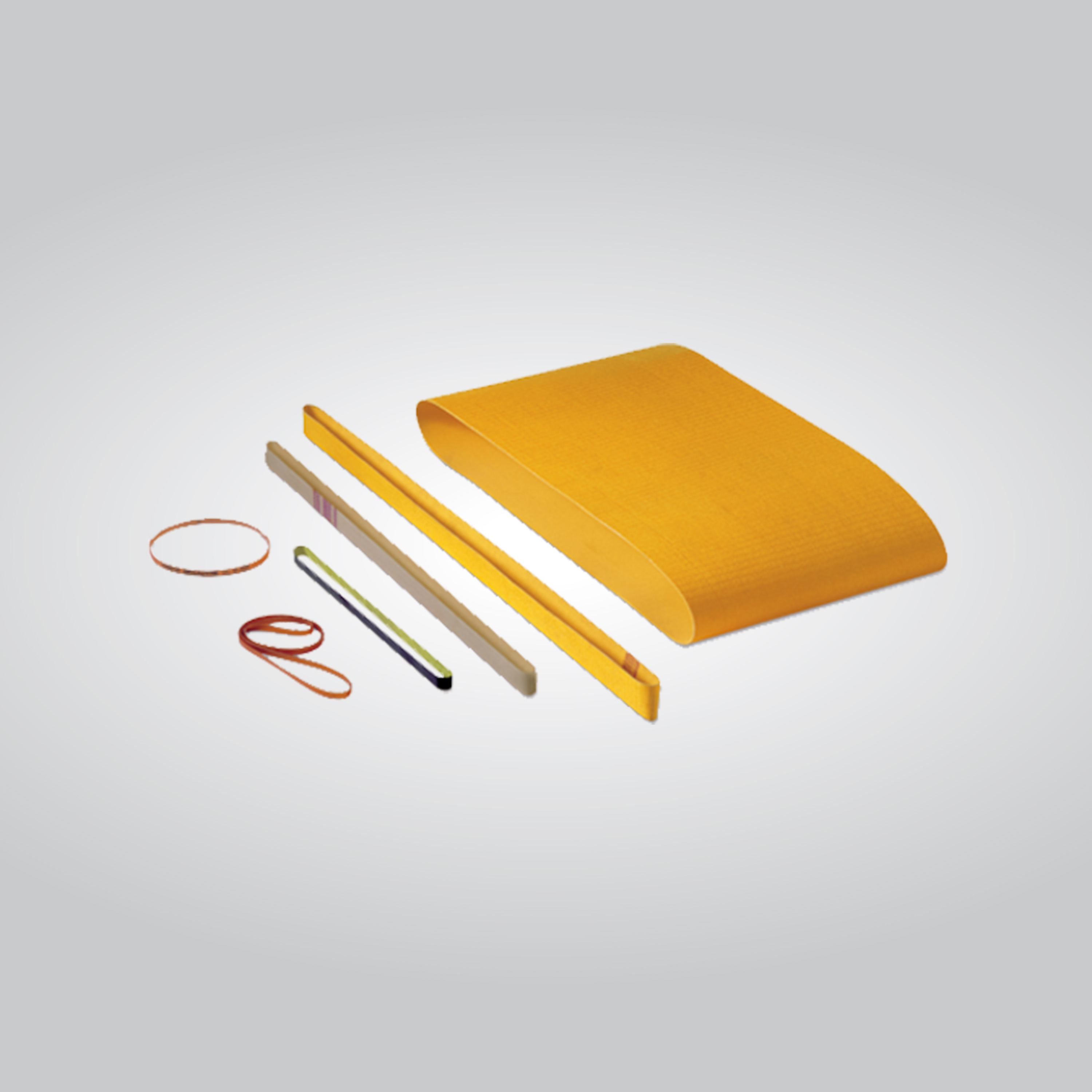
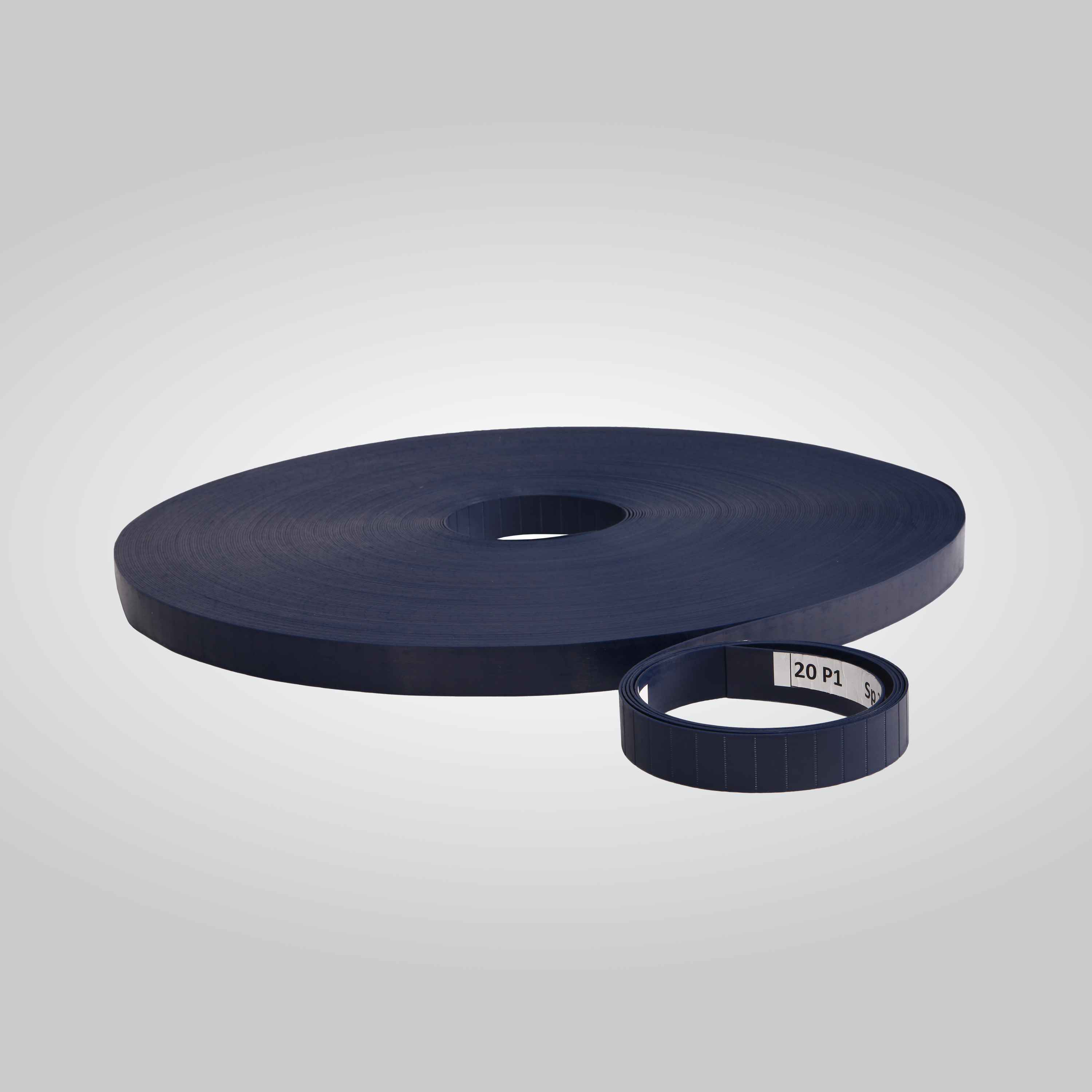
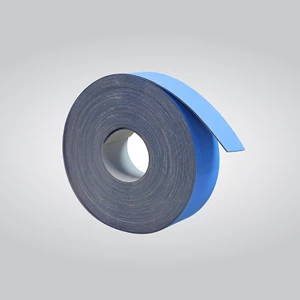
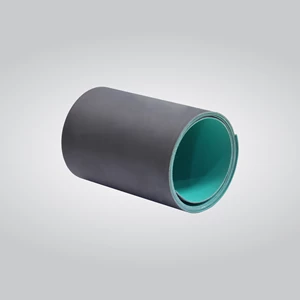
Flat power transmission belts are essential tools in mechanical and industrial systems, designed to transfer power from a drive source (such as an electric motor) to other moving components (like shafts, pulleys, or machinery parts). With their smooth surface and multi-layer structure, these belts have been one of the earliest and most efficient methods of power transmission since ancient times. Today, advancements in materials and technology have transformed them into modern, precise tools. Unlike V-belts or timing belts designed for specific applications, flat belts maintain a special place in various industries due to their flexibility, simplicity, and ability to operate at high speeds.
Structure and Materials
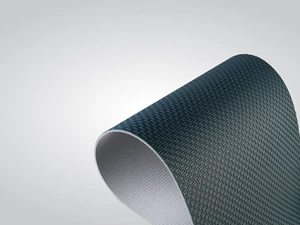
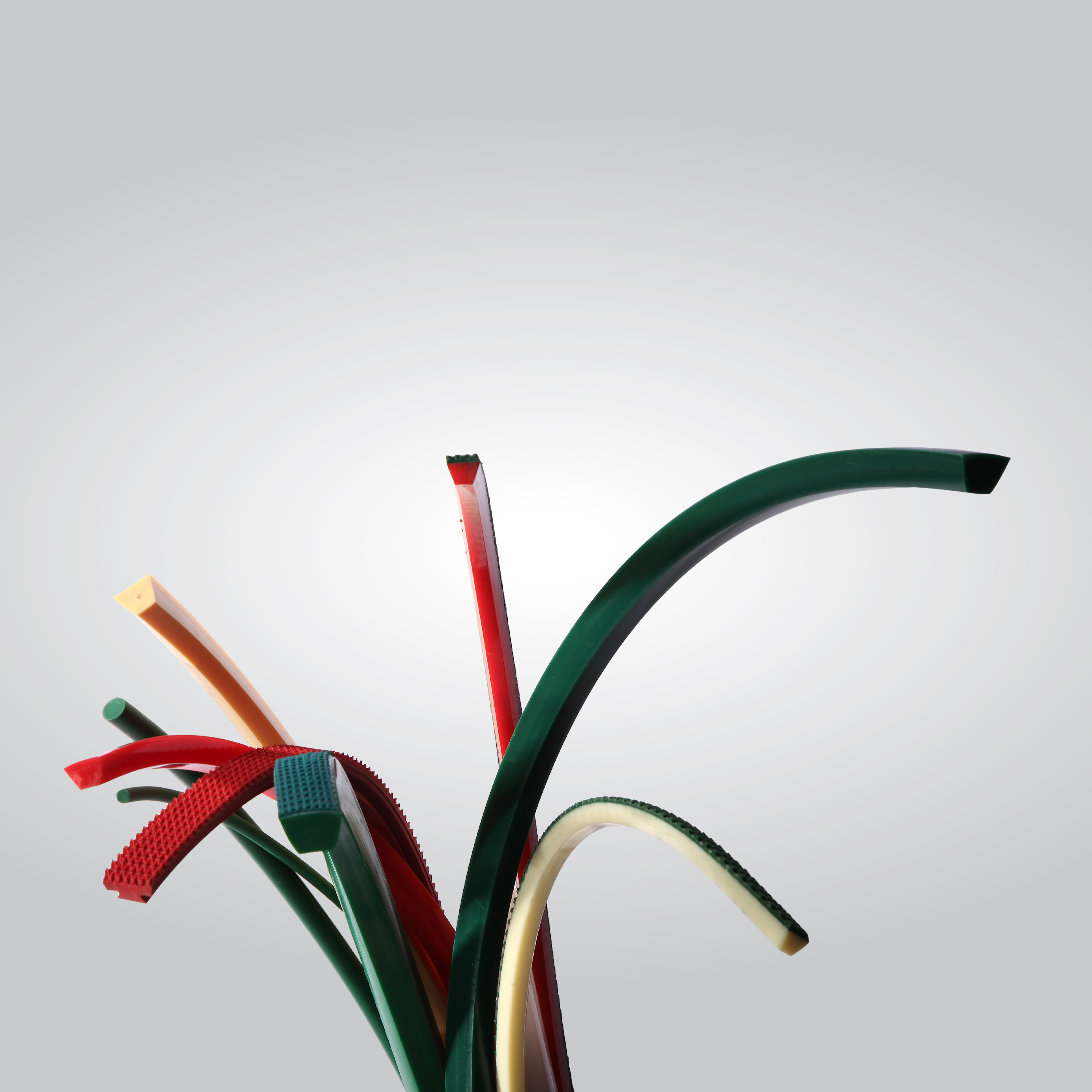
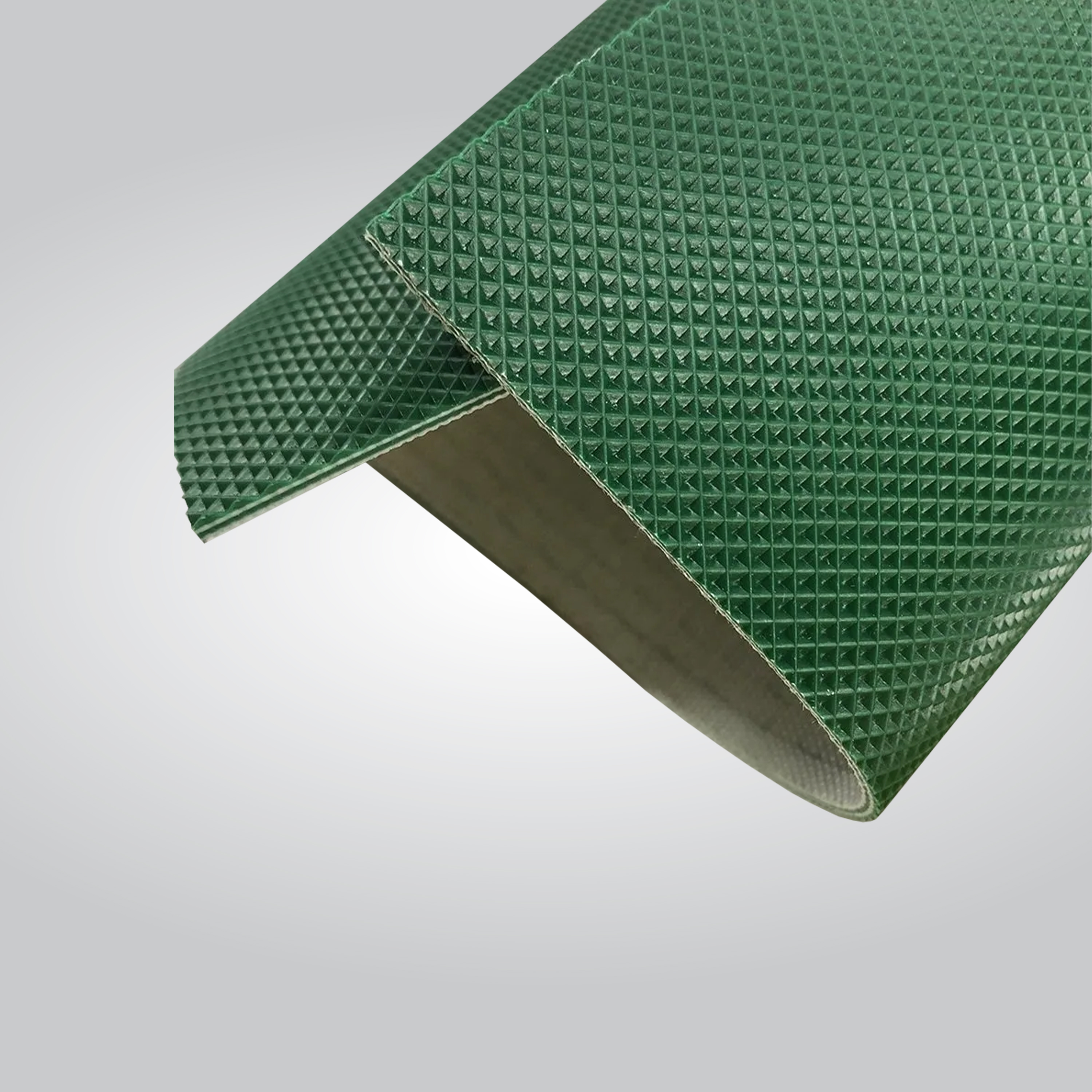
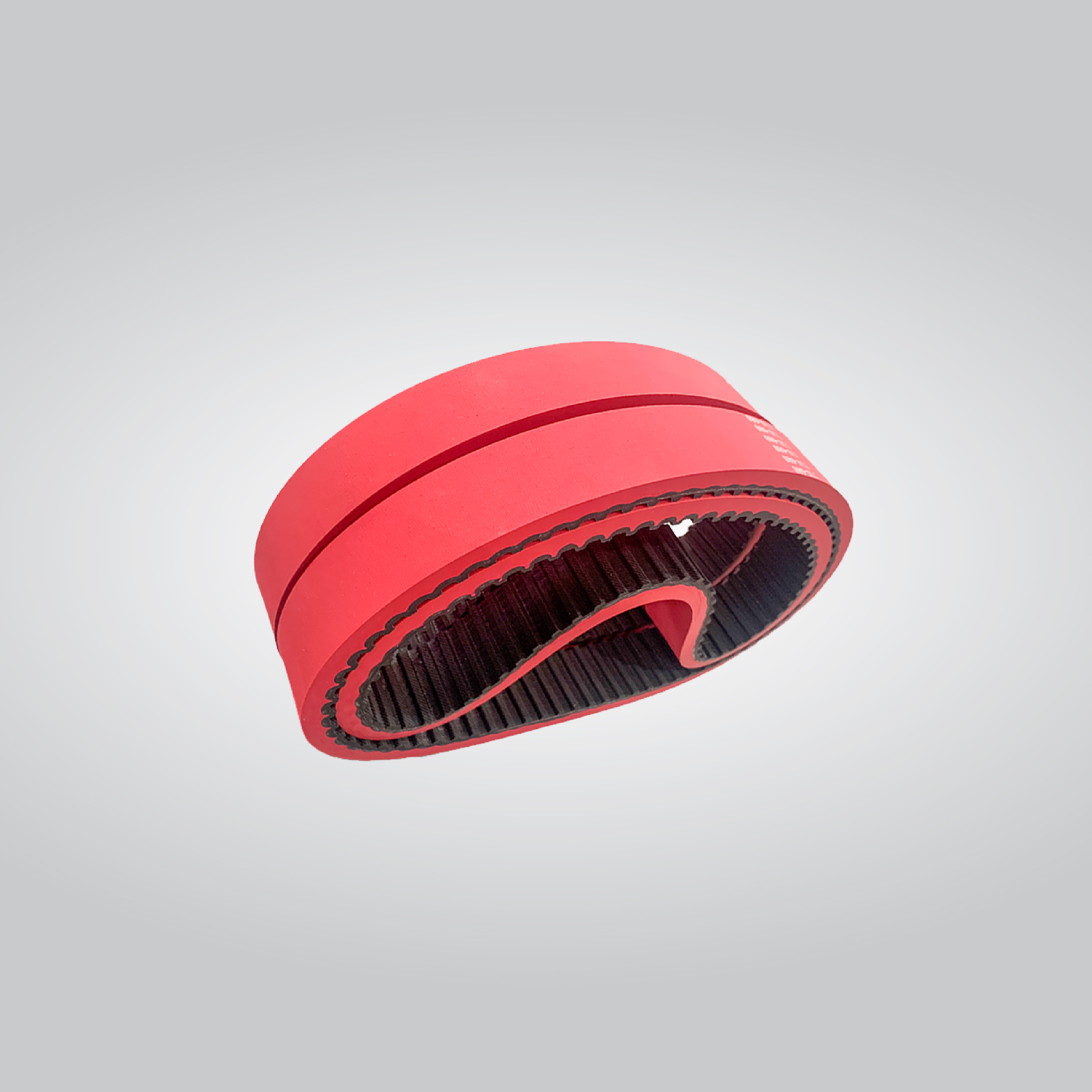
The structure of flat belts typically consists of three main parts: the tensile core, covering layers, and surface coating. The tensile core, considered the heart of the belt, is made from high-strength materials such as polyamide (nylon), polyester, aramid (Kevlar), or even leather in traditional models, responsible for bearing tensile forces. The covering layers, which add strength and flexibility to the core, are often made from nitrile butadiene rubber (NBR), polyurethane (PU), or resistant elastomers. The surface coating can be smooth, textured, or reinforced with materials like chrome or rubber, depending on the application, to provide appropriate friction with pulleys. Belt thickness typically ranges from 0.5 to 10 mm, and width can be adjusted from a few centimeters to over one meter based on system needs.
Features and Performance
Flat power transmission belts offer unique characteristics due to their specific design, distinguishing them from other belt types:
• High-Speed Power Transmission: Suitable for high RPMs (up to 10,000 RPM or more) with minimal slippage.
• Geometric Flexibility: Capable of operating in complex, angled paths or with small pulleys, making them ideal for compact systems.
• Dimensional Stability: Modern materials like polyamide ensure minimal deformation under tension, humidity, or temperature changes.
• Low-Noise Operation: Produce less vibration and noise compared to chains or timing belts.
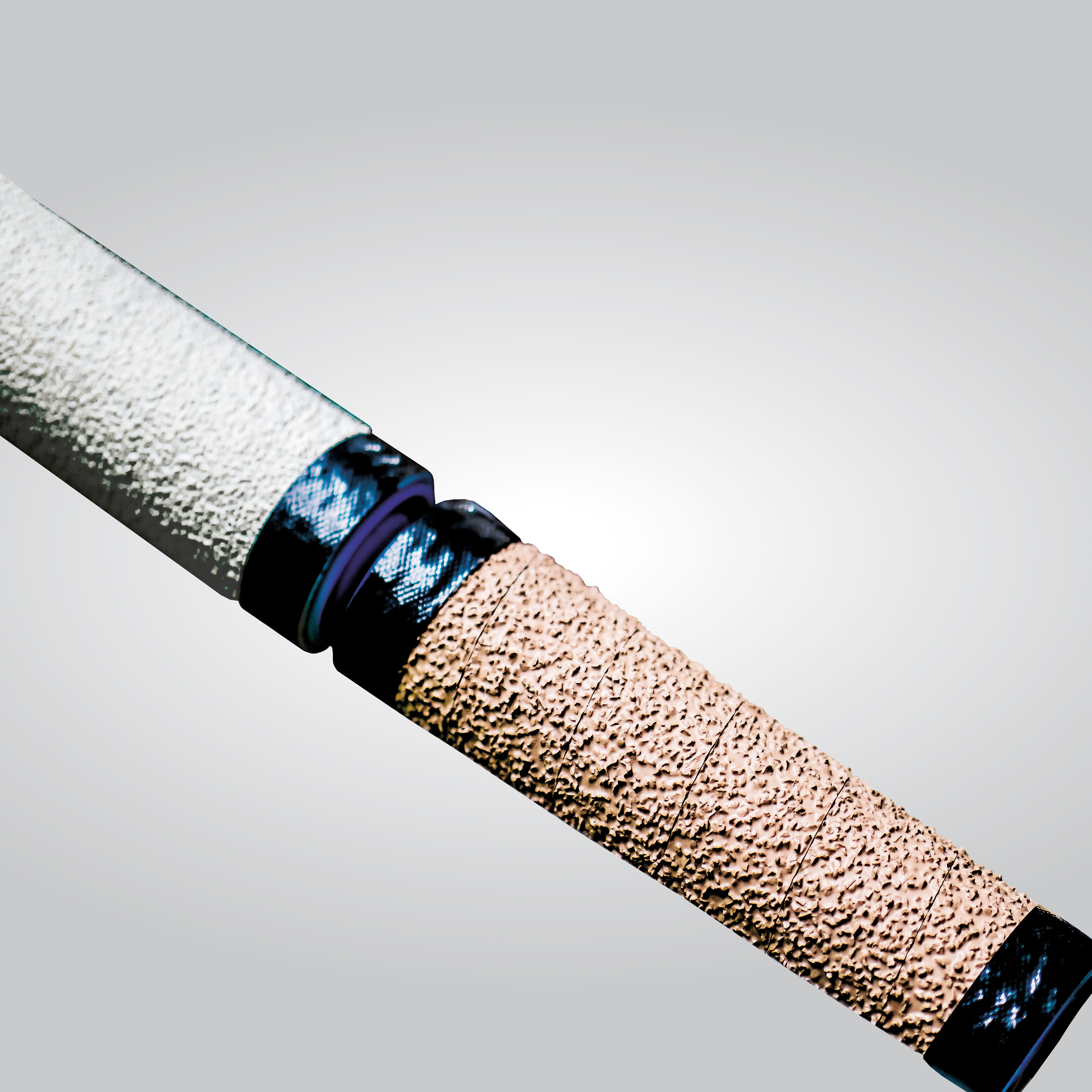
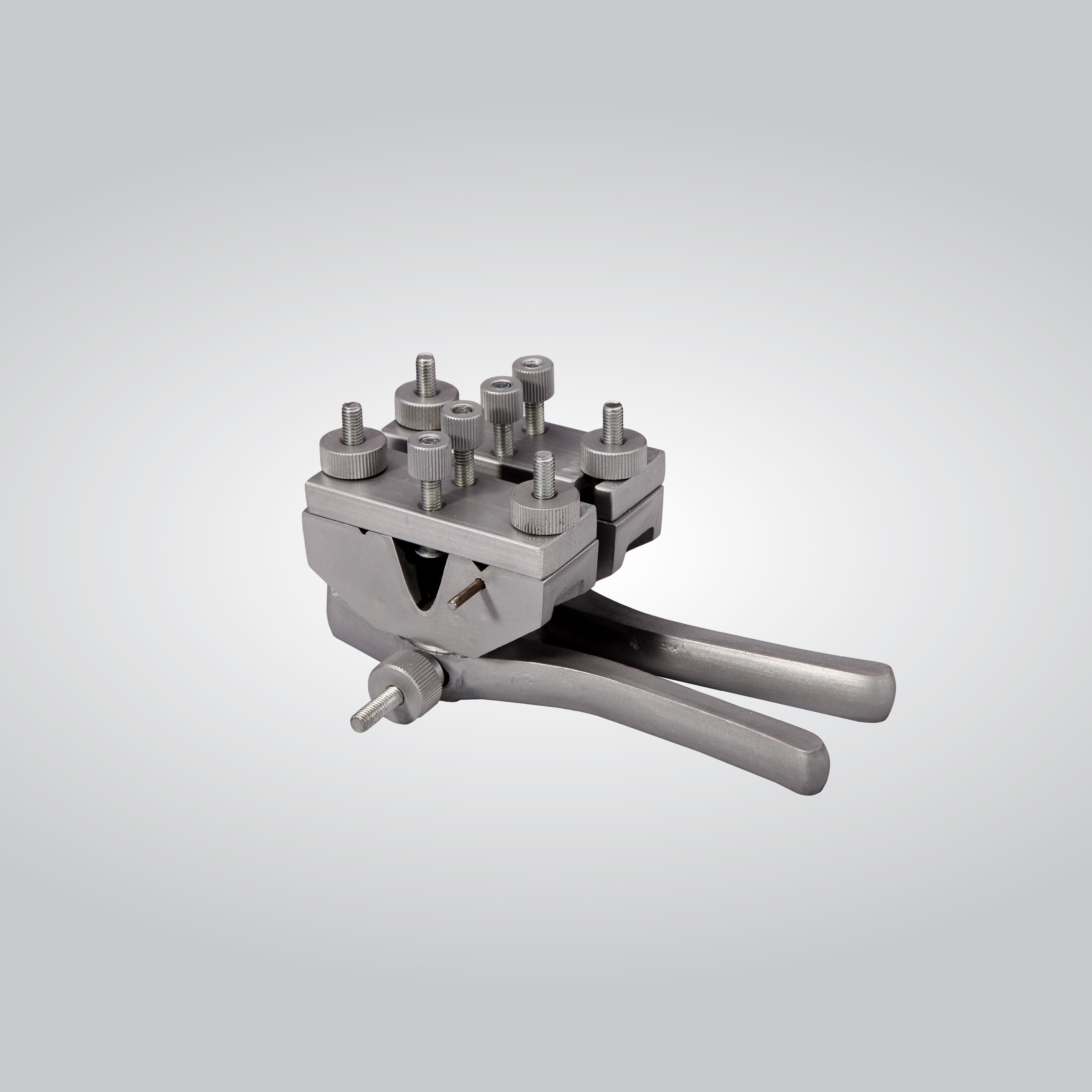
• Joinability: Ends can be connected using methods like gluing, thermal welding, or mechanical clamps, simplifying installation and repair.
Types and Classifications
Flat belts are categorized based on material, coating type, and application:
• Leather Belts: Traditional models, now rarely used but still found in certain specialized applications.
• Polyamide Belts: With nylon tensile core, ideal for high-speed power transmission in modern industrial environments.
• Polyester Belts: More economical, suitable for medium loads.
• Aramid Belts: Offering exceptional tensile strength for heavy-duty and specialized applications.
• Composite Belts: Featuring rubber or polyurethane coatings for increased friction and durability.
Advantages and Limitations
Key advantages include high efficiency, low production and maintenance costs, and adaptability to diverse systems. Their lightweight design also reduces load on bearings and drive components. However, limitations exist; for instance, in very heavy loads or low-friction environments (such as oily surfaces), slippage may occur, requiring special coatings or additional adjustments.
Applications
Flat belts are used across a wide range of industries:
• Textile Industry: Power transmission to spindles, combs, and rollers in spinning and weaving machines.
• Printing and Paper Industry: Guiding paper rolls and power transmission in offset printing machines.
• Packaging: Driving mechanical systems in high-speed packaging lines.
• Industrial Machinery: Power transmission in compressors, pumps, and general-purpose equipment.
Importance of Leading Brands
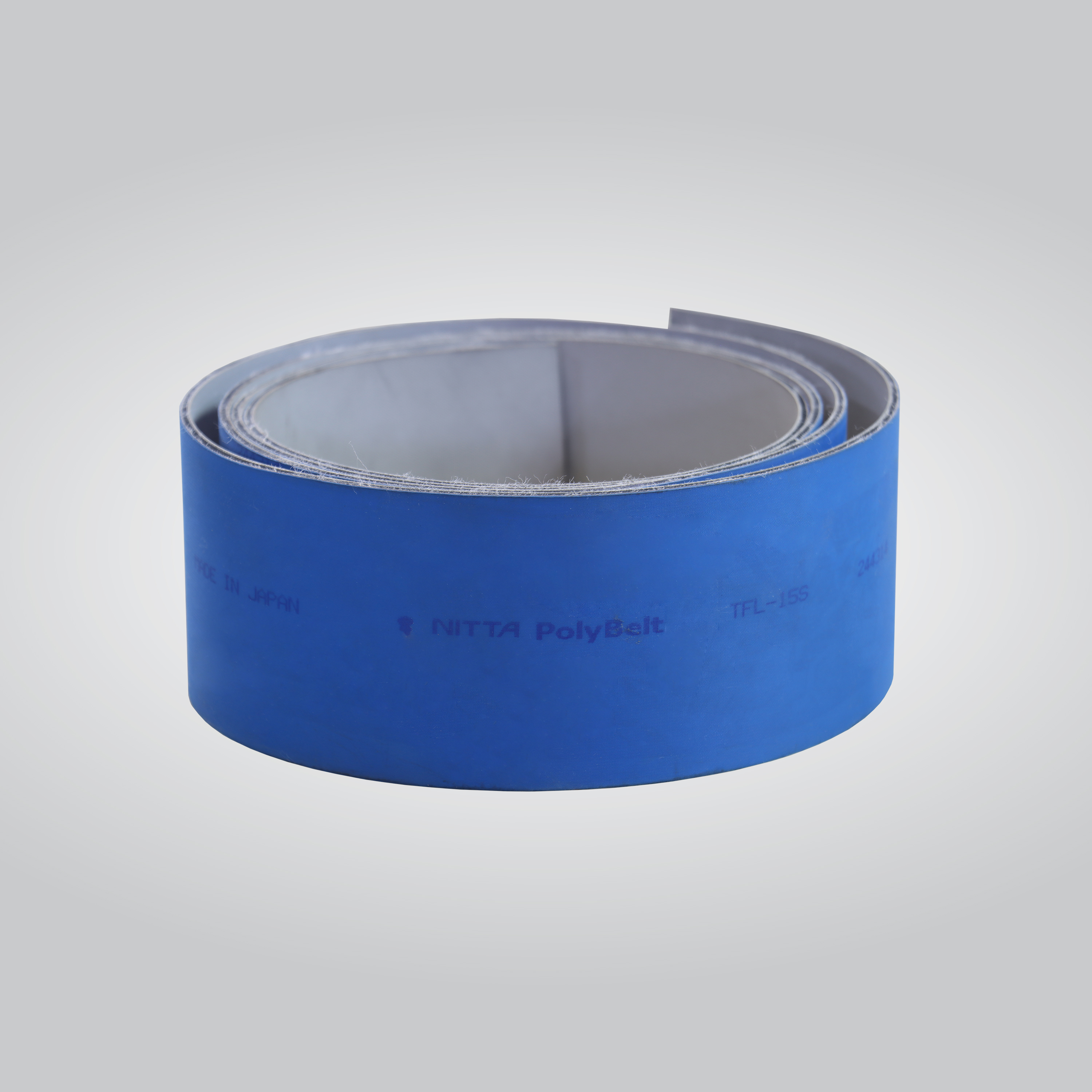
Brands such as Habasit (Switzerland) and Nitta (Japan) have elevated standards in this field by offering high-quality belts with long durability and advanced designs. These companies use premium raw materials and cutting-edge technologies to produce products that not only meet basic power transmission needs but also deliver flawless performance in harsh industrial conditions.