
V-Belts
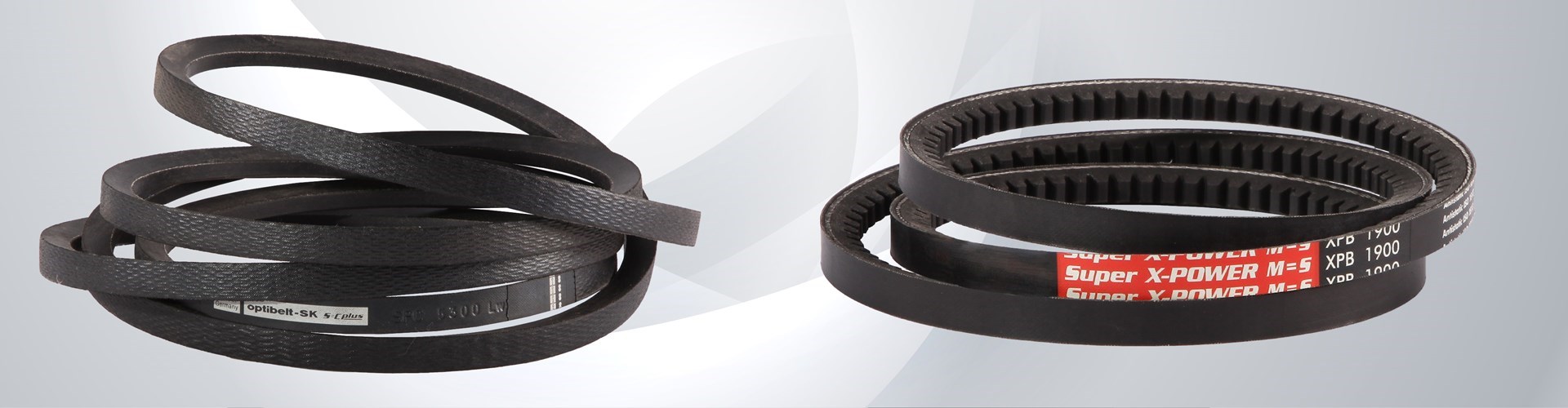
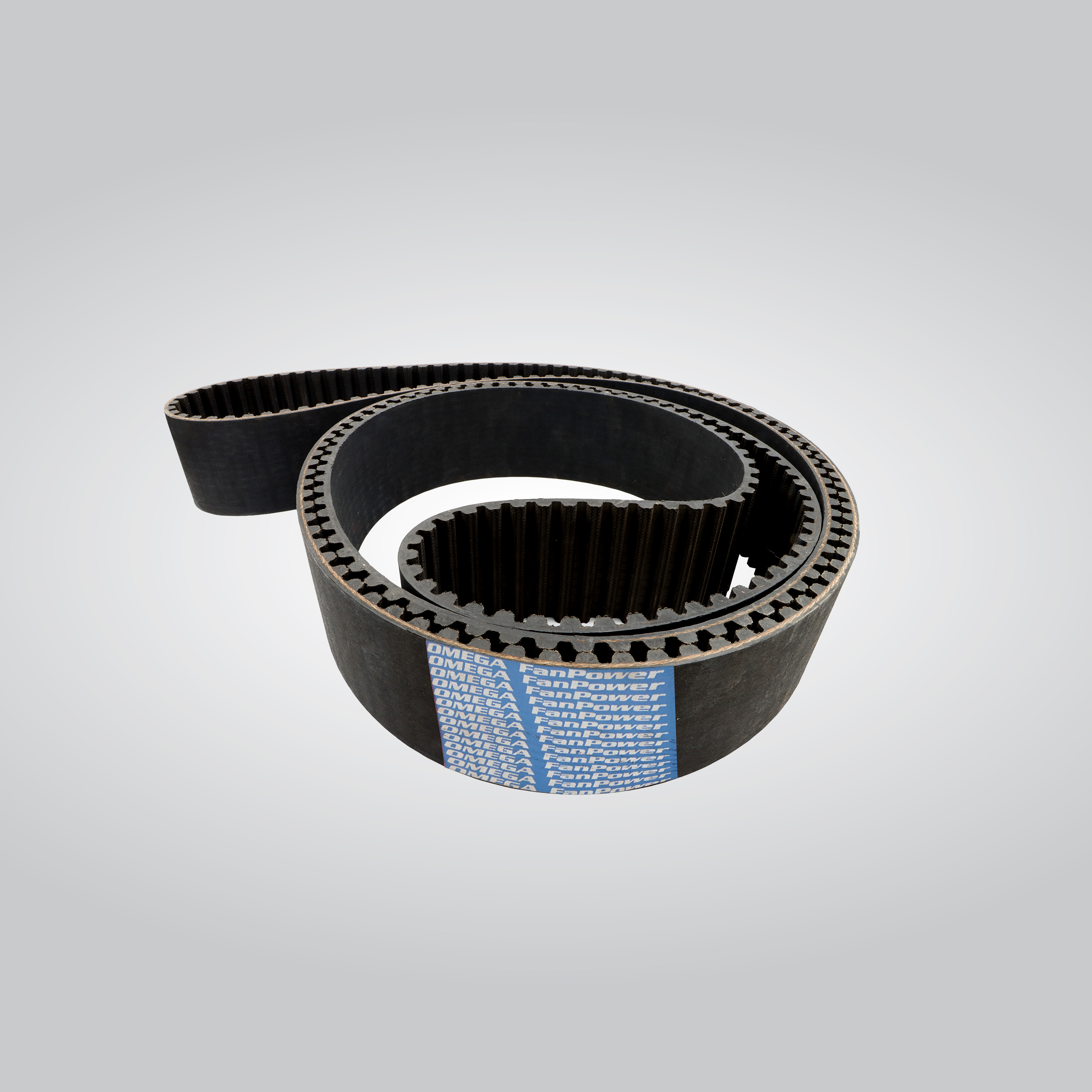
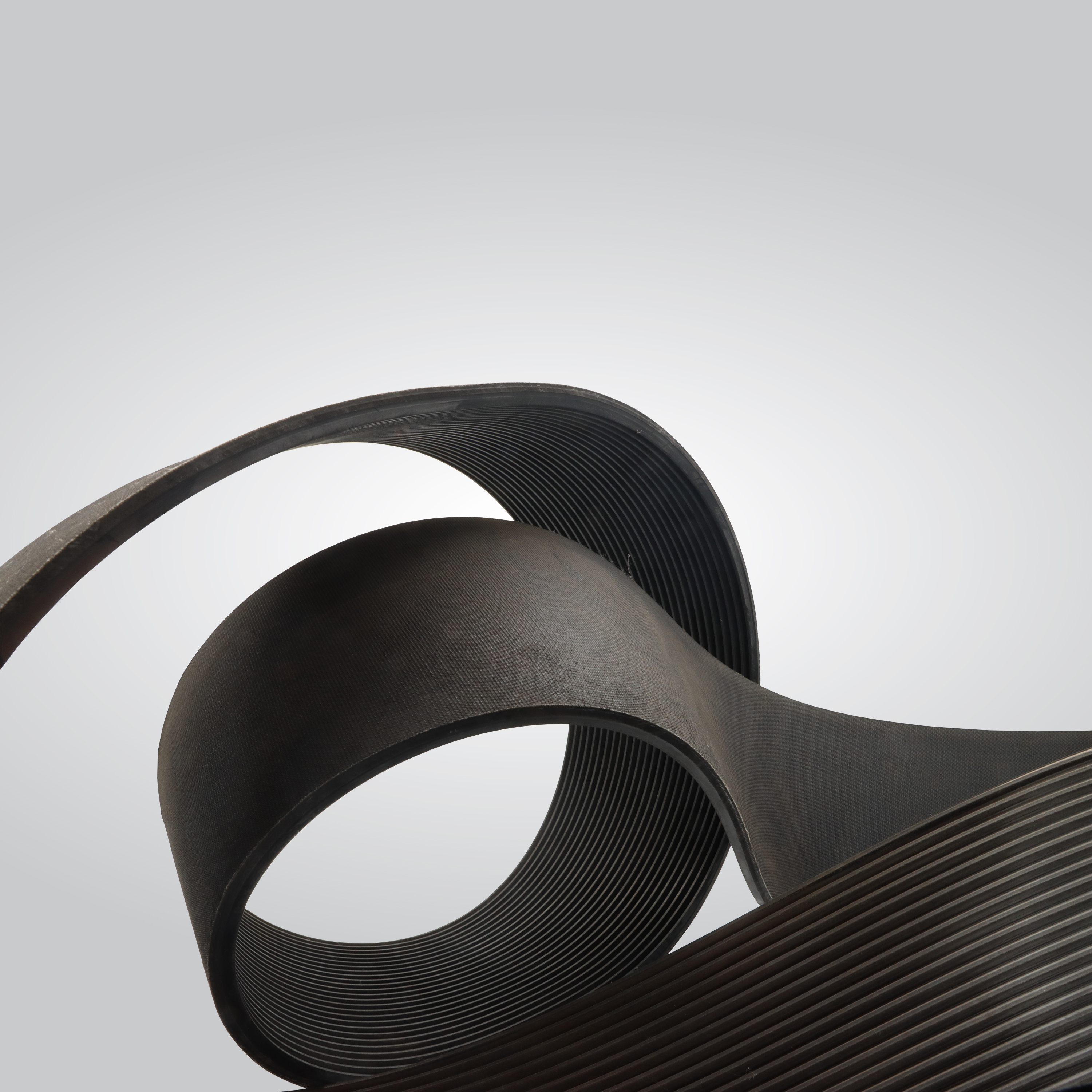
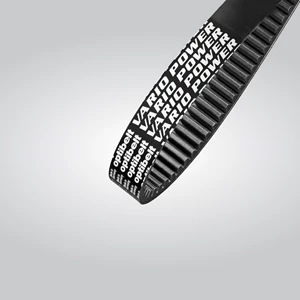
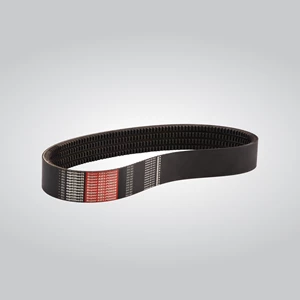
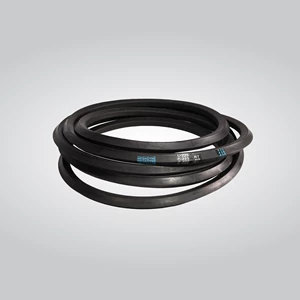
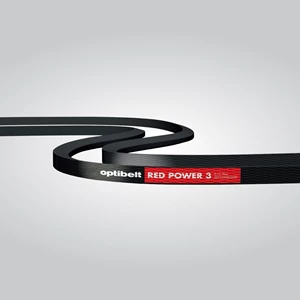
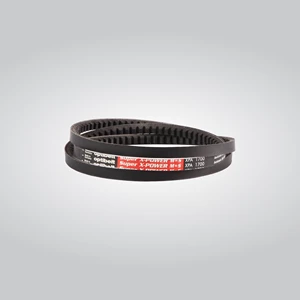
V-belts are a type of power transmission belt with a trapezoidal cross-section, often resembling the letter "V." This design allows them to fit securely into the grooves of pulleys, providing better grip and reduced slippage. V-belts are commonly used in machinery and vehicles to transmit mechanical power from one component (such as an engine) to another (such as a fan, pump, or alternator).
V-belts are typically constructed from a combination of rubber, fabric, and polyester cords for strength and flexibility. Due to their efficiency in power transmission and ability to handle high loads and variable speeds, they are widely used in applications like automotive engines and industrial machinery.
Key Functions and Roles of Industrial V-Belts
• Power Transmission
• Smooth and Optimal Operation
• Shock Absorption
• Speed and Torque Adjustment
• Durability
Advantages of V-Belts
• High Efficiency
• Cost-Effective
• Simple Design and Easy Installation
• Compact and Lightweight
• Reduced Maintenance
• No Lubrication Required
• Lower Noise Levels
• Optimal Performance Even Under Heavy Loads
• Widely Available
Thanks to these advantages, V-belts are commonly used across many industries, from manufacturing to automotive applications.
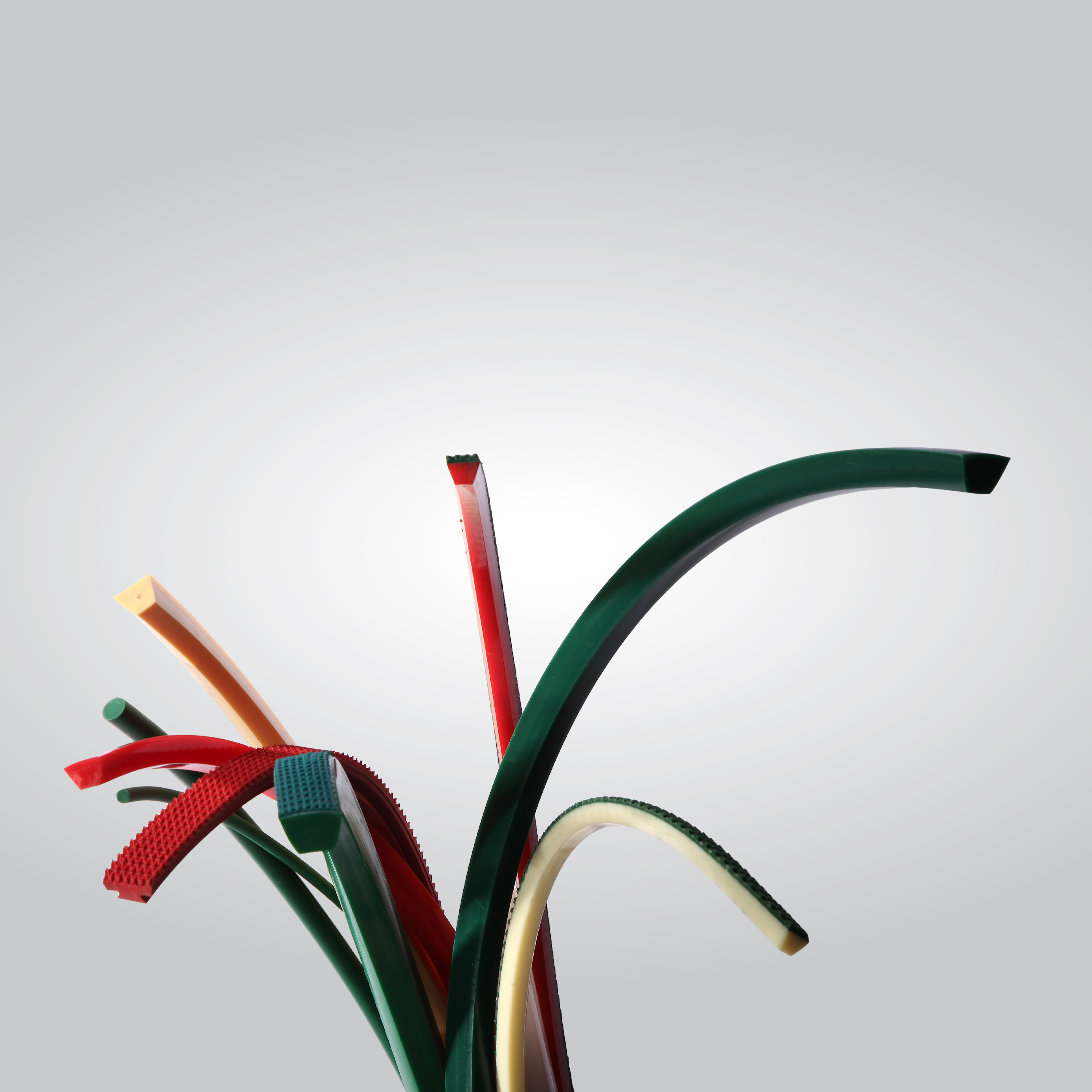
Industrial V-belts are available in various types, each designed for specific applications based on factors such as required load, space constraints, and the nature of the machinery.